
Silicone Material Sourcing and Traceability
We work with high-performance silicone compounds. The performance of any final part begins with the purity and stability of the raw compound. Our method is simple:
- Source clean, high-grade silicone materials.
- Verify every batch before it reaches production.
- Use only material that meets our standards and your certifications.
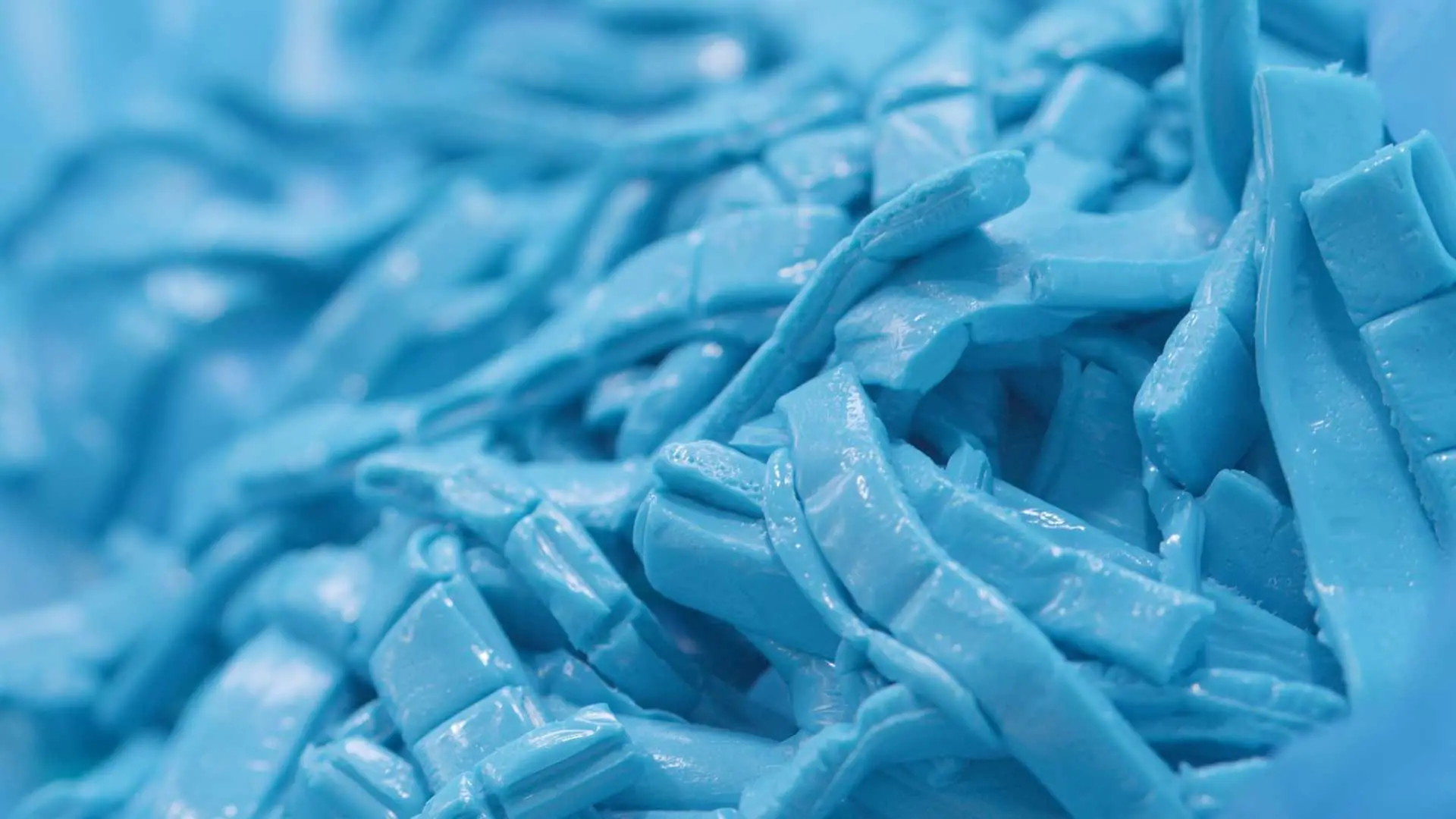
Material Sourcing & Traceability
We protect material integrity from the start. Every silicone compound – whether from a global brand or a qualified domestic partner – is selected for performance, cost fit, and required certifications.
Material Selection
We choose materials based on the demands of the final product.
- Global Brands (Elkem, Dow, DuPont):
Used when a project needs proven consistency, long-term supply stability, or proprietary formulations available only from major international manufacturers. - Qualified Domestic Partners:
Used when faster lead times, flexible custom formulations, or improved cost efficiency matter, while still meeting required quality and certification standards. - Data-Driven Choice:
The Technical Data Sheet (TDS) and the final product’s certification needs guide all material selection decisions.
All partners must hold relevant ISO certifications and provide full batch traceability.
Inventory Management Protocol
We maintain material integrity through controlled storage and usage.
- TDS Shelf-Life Control:
Each lot is stocked and used according to its documented shelf life. Most standard compounds remain stable for up to six months. - Specialty Materials:
Short-life or highly reactive compounds move through an accelerated cycle to prevent degradation and ensure steady performance.
We do not publish our domestic supplier list, for the same reason most manufacturers do not. What we will tell you is the gate they pass: full batch traceability on every lot, a batch inspection report with the shipment, documented shelf life, and external testing where the application calls for it. The requirement is identical whether the compound came from a global brand or a domestic partner. If your project needs a specific named source, ask and we will confirm what we can before you commit.
Material Application & Compliance
Selecting the right silicone grade ensures long service life and regulatory compliance. We group materials by technical demand, from extreme-temperature environments to high-voltage systems and high-purity applications.
Material Specification: NEV High-Voltage Cables
Silicone used in new-energy vehicle (NEV) cables takes constant and harsh loads. For this work we specify compounds rated to:
- Hold thermal stability from –40°C to 180–200°C for more than 3,000 hours.
- Resist 600–1000 V while carrying heavy current surges.
- Maintain tear strength above 30 N/mm with low compression set.
- Process cleanly during high-speed, bubble-free extrusion.
Industry Material Matrix
Typical material sets and certification requirements by industry:
| Industry | Application | Material Types | Key Requirements |
| Automotive / Rail | Engine mounts, connector seals, rail-transit seals | High-strength Silicone, FVMQ, FKM | IATF 16949, temperature resistance, flame retardancy |
| Baby & Infant | Bottle nipples, teats, feeding parts | High-purity food-grade silicone | FDA 21 CFR 177.2600, LFGB |
| Medical Devices | Non-implant tubing and parts | Platinum-cured LSR/HCR | USP Class VI, ISO 10993 |
| Specialty (Lab/Water) | Lab parts, drinking-water pipes and seals | High-purity silicone | NSF/ANSI standards, low extractables |
Quality Assurance & Material Verification
Material integrity is confirmed through documentation and testing. Our quality framework supports high-purity, high-compliance applications across regulated industries.
Post-Curing Protocol for Purity
For medical, food-contact, and other high-purity applications, we apply a post-curing (baking) process that:
- Removes volatiles: Drives off remaining siloxane oligomers and VOCs that persist after initial curing.
- Supports compliance: Helps meet global standards requiring reduced extractables and strict migration limits.
Mandatory Batch Documentation
Each lot includes a full documentation package:
- MSDS: Safety, handling, storage, and emergency information.
- Batch Inspection Report: Dimensional and visual checks on finished components.
- Optional Certifications: FDA, LFGB, SVHC, RoHS, USP Class VI, ISO 10993, EP (available on request).
RoHS and REACH SVHC status is documented per grade, see RoHS compliance for silicone rubber.
External Testing & Validation
Suppliers provide standard third-party certifications with each shipment. For special compliance needs, we extend testing:
- Use accredited external labs for regional chemical restrictions and detailed analytical testing.
- Tests may require longer lead times and added cost, always quoted before work begins.
Full testing capability and methods are covered on our testing and compliance page.
Next Steps: Resource Library
Explore additional technical resources:
- Silicone 101: Chemistry and Composition
- Material Library: 17 Silicone Grades and Their Uses
- Compare Silicone and Plastic by Breaking Myths and Knowing the Facts
- Discover the Pros and Cons of Antibacterial Silicone and When to Use It
- Learn How Silicone Stands Up to Heat and Holds Its Shape
- See How We Make Silicone Clean, Pure, and Free of Dust
- Rubber Material Selection Guide: 32 Compounds by Requirement
- A shore hardness in silicone learn in details
- Transparent Silicone Parts: Achieving Balance