
Silicone & Plastic
Cutting Through the Myths and Misinformation
A visual guide to understanding the real differences in recyclability, environmental impact, safety, and use cases, based on detailed analysis.
Myth 1: Recyclability
Silicone
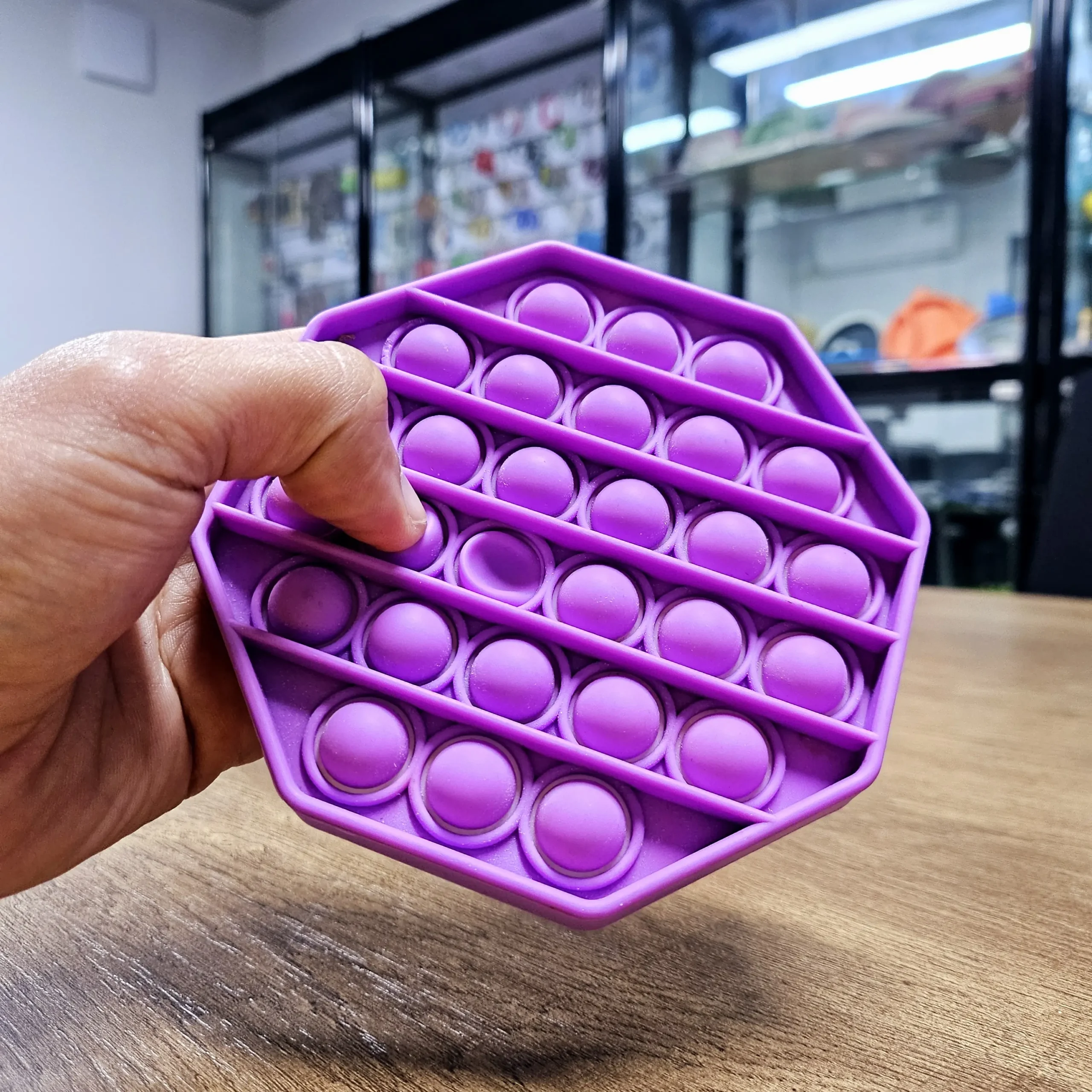
Recyclable, but complex.
While less common, silicone can be repurposed via energy-intensive processes.
- Typically downcycled; not used for new food-grade products.
- Repurposed into industrial materials like sealants, adhesives, and coatings.
- Methods include physical breaking and chemical processes like catalytic cracking.
Plastic
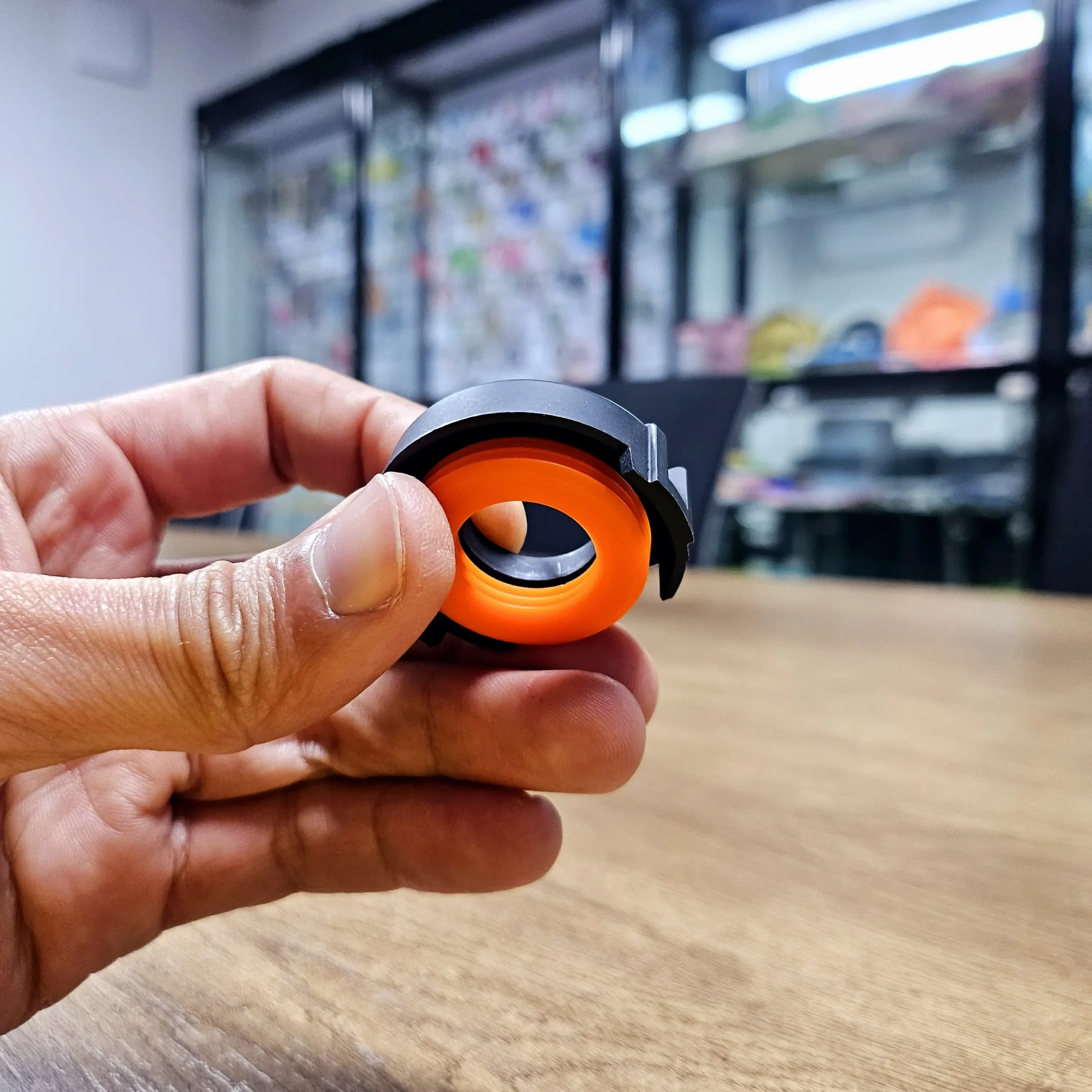
Recycling faces major hurdles.
Seems simple, but is complicated by material diversity and contamination.
- Difficult Sorting: Many types (PET, HDPE, PVC, etc.) must be separated, which is costly.
- Contamination Issues: Additives, colorants, and food residue reduce the quality of recycled material.
Myth 2: Environmental Impact
Silicone
Environmentally inert.
While it doesn't biodegrade, it also doesn't release harmful substances. The common type, Polydimethylsiloxane (PDMS), remains stable and non-toxic in the environment.
Plastic
Creates harmful microplastics.
Persists for hundreds of years, breaking down into tiny toxic particles (like from Polyethylene, PE) that pollute ecosystems and enter the food chain.
Myth 3: Food Safety & Use Case
Silicone
The safer, durable choice.
- Food Safe: Generally FDA-approved, though specific testing for high-fat foods isn't always detailed.
- Ideal for Reusables: High durability makes it perfect for items like milkshake straws or bakeware.
Plastic
Creates harmful microplastics.
- Food Safety: Varies by type; some plastics are unsuitable for hot or high-fat foods.
- Best Application: Suited for scenarios where rigidity and low cost for mass production are key.
The Bottom Line
In the ongoing debate between silicone and plastic, it’s clear that both materials have their place. By understanding the nuances of recyclability, biodegradability, and safety, consumers and manufacturers can make informed decisions that align with their sustainability goals and application needs. While no material is perfect, silicone’s unique properties make it a valuable alternative to plastic in many cases, particularly where long-term durability and safety are required.
Next Steps: Resource Library
Explore additional technical resources:
- Silicone 101: Chemistry and Composition
- Material Library: 17 Silicone Grades and Their Uses
- Discover the Pros and Cons of Antibacterial Silicone and When to Use It
- Learn How Silicone Stands Up to Heat and Holds Its Shape
- See How We Make Silicone Clean, Pure, and Free of Dust
- Rubber Material Selection Guide: 32 Compounds by Requirement
- A shore hardness in silicone learn in details
- Transparent Silicone Parts: Achieving Balance
- MOQ Explained: What It Means for Your Quote
- Design Guide: From Durometer to DFM