
Transparent Silicone Parts: How It's Achieved and Where is the Balance?
Is Your Silicone Transparent Enough?
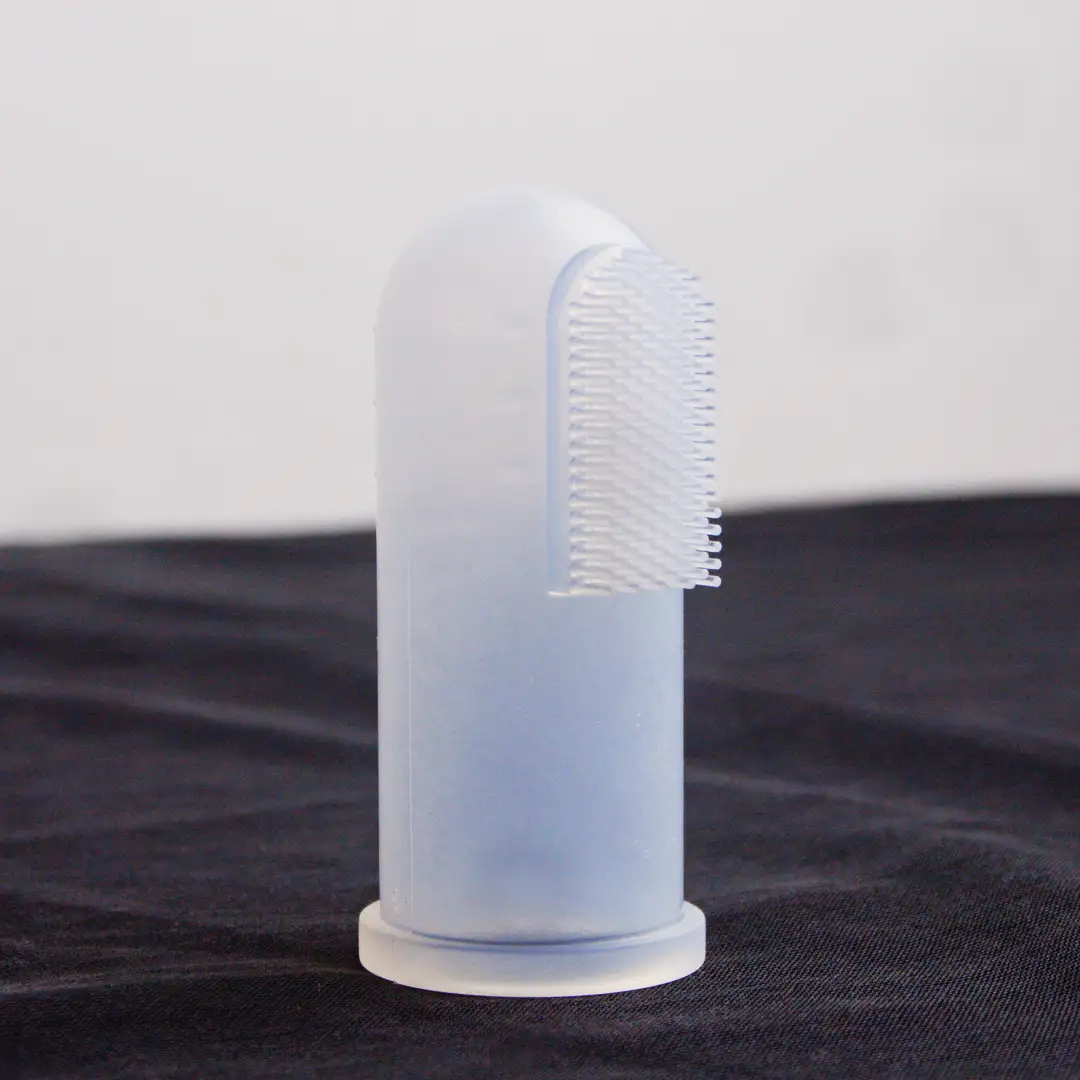
Many assume "transparent" silicone should look like glass. In reality, the level of clarity varies depending on the materials used and the manufacturing process. Here's what affects it.
Why Silicone Isn't Always Crystal Clear
Mold Surface
The surface of the mold directly affects how the silicone looks. A rough mold creates a dull finish, while a perfectly polished mold gives a smoother, clearer result.
Material Matters
The type of silicone used and what's added to it (like fillers or pigments) can reduce clarity. For example, some fillers improve strength but can make the silicone look cloudy.
Air Bubbles
Tiny air pockets trapped during mixing or molding scatter light, which makes the silicone look hazy. This is a common issue in production if not carefully managed.
How Silicone Products Are Made
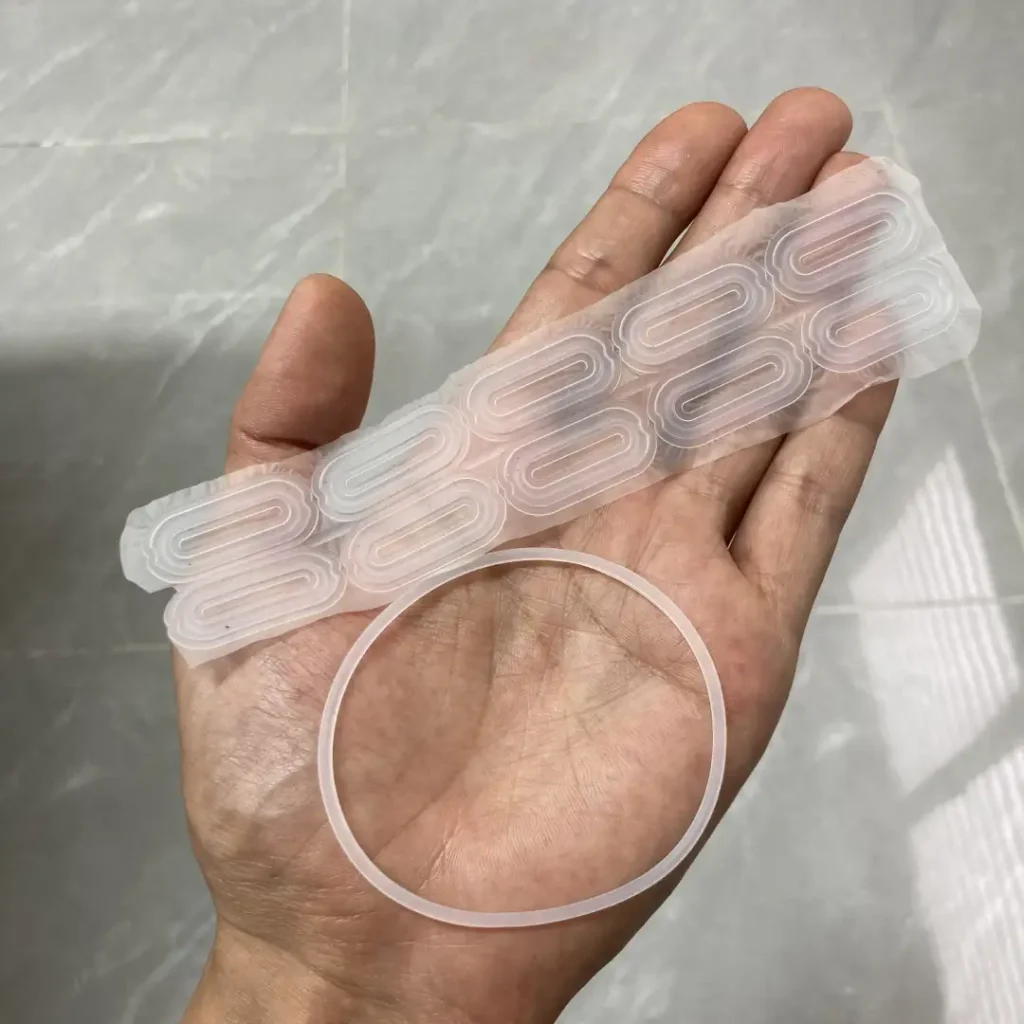
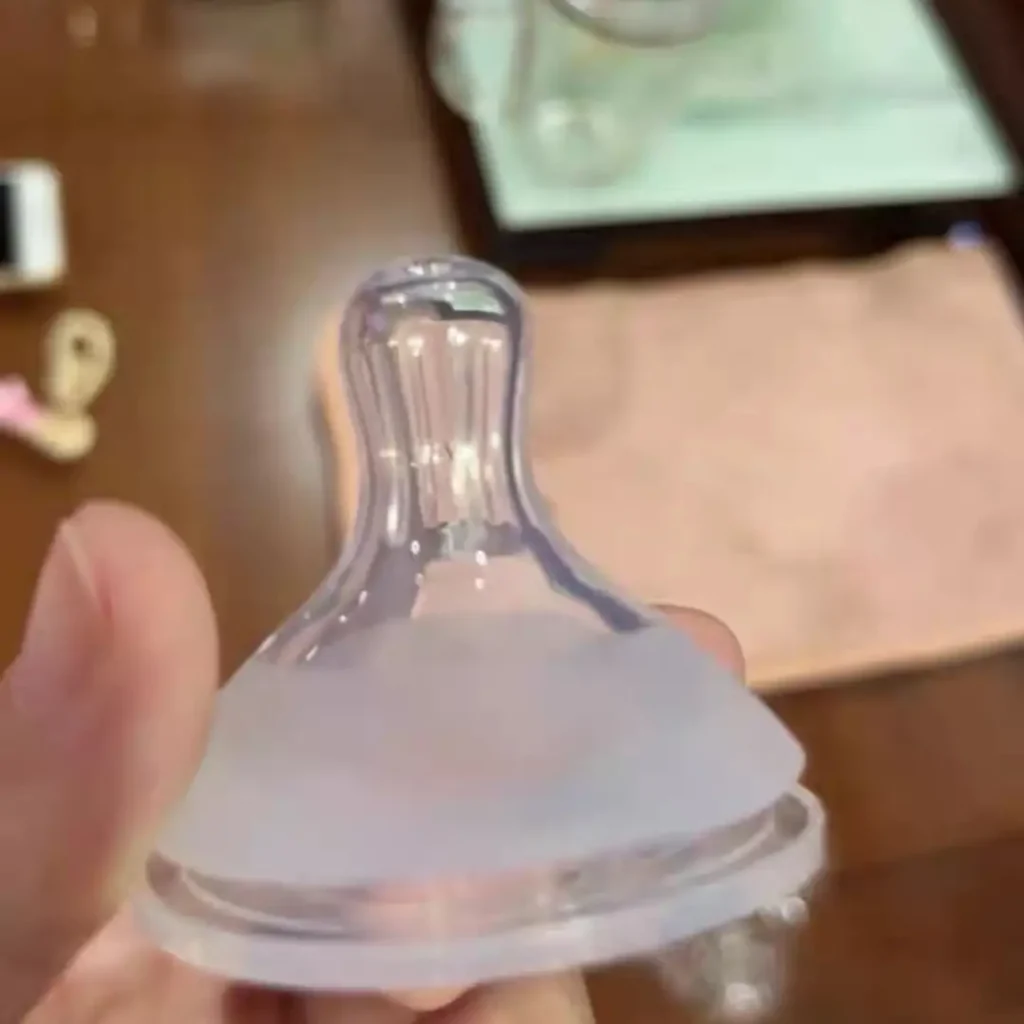
For the most transparent silicone parts, injection molding is the top choice. Compression molding can come close, but it usually produces a cloudier finish. See the image below: one part is made using compression molding, the other by injection.
Why Is There a Difference in Transparency?
The clarity difference mainly comes down to the material type and how pressure is applied during molding.
Material Type and Flow
- Injection Molding: Uses Liquid Silicone Rubber (LSR), a free-flowing, two-part liquid. It fills the mold evenly and cures into a smooth, consistent structure. This uniformity helps keep the silicone clear.
- Compression Molding: Uses High Consistency Rubber (HCR), a thicker, dough-like material. It's placed into the mold and then compressed. This process can cause slight flow lines or density changes as the silicone spreads, which scatter light and create a cloudy look. While air pockets may also form if the silicone isn't positioned perfectly, the main issue is how this more viscous material flows under pressure.
Pressure Control
- Injection Molding: Applies high, steady pressure across the whole mold. This compacts the material tightly and reduces tiny air gaps or inconsistencies that affect clarity.
- Compression Molding: Also uses pressure, but it's primarily to close the mold and force the silicone to spread. The pressure may not stay as uniform or as high throughout the part, which can lead to uneven density and reduced clarity.
Curing and Volatiles
Both methods use heat to cure the silicone. However, injection molding often offers more precise temperature control and quicker, more even curing. This helps avoid haze caused by unescaped vapors or incomplete curing. Compression molding, if not carefully managed, can leave tiny by-products in the material, which may reduce transparency.
How Dabojin Achieves Clear Silicone
Polished Molds
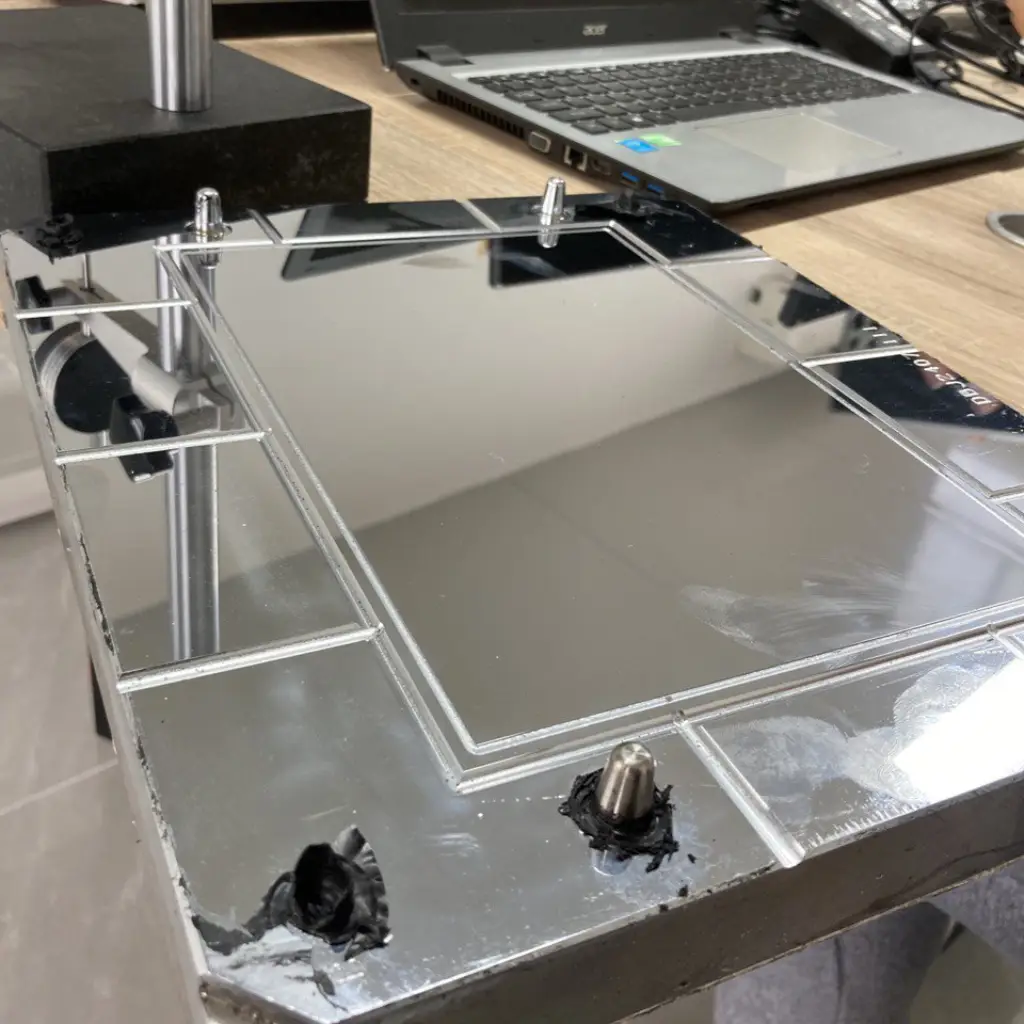
We polish our molds to a mirror finish. This gives the silicone a smooth surface, significantly improving transparency.
Clean Material, No Bubbles
We choose silicone carefully and use vacuum degassing and other steps to remove air bubbles and keep the material clean and consistent.
Working With You
Transparent silicone isn't one size fits all. We work with you to understand your product's specific needs and adjust materials, tooling, and process to match.
Clarity vs. Function: What Does Your Product Really Need?
Perfect clarity is possible, but it can cost more or reduce other features, like strength. We help you decide how clear your silicone needs to be based on how the product will be used.
Let’s Talk
Planning a clear silicone part? Get in touch with Dabojin. We'll help you choose the right materials, tooling, and process to get the clarity you need. Request a quote, and we will respond within 24 hours.