
Does Silicone Attract Dust? Why It Happens and How Manufacturers Eliminate It
Yes, untreated silicone attracts dust. Engineers specifying custom silicone parts run into this when finished parts show lint on transparent lenses, when matte black housings hold fingerprint shadows, or when medical-grade surfaces pick up fiber during assembly. Two physical effects cause it: surface tack and static charge. The production fix is a post-cure anti-dust coating.
This page covers the mechanism, the two coating processes used in industry, and what to specify when sending a part for quote.
Why silicone attracts dust
Silicone is valued for flexibility and chemical resistance, but its surface behavior creates the dust problem. Three factors contribute.
Surface tack is the main cause. Low-molecular-weight polymer chains migrate to the surface during cure and remain there. The result is a slight stickiness that holds dust and fibers on contact, even when the part feels smooth to the touch.
Static charge is the second factor. The triboelectric effect builds a static field when silicone is rubbed or handled. The charge attracts oppositely charged airborne dust and hair.
Porosity contributes less, but some silicone forms trap dust and moisture in micro-features. Most of the dust attraction comes from tack and static.
Two coating processes deliver a dust-free finish
Thermal hand feel oil is the legacy method. UV-curable silicone is the lower-emission alternative. Both form a permanent crosslinked silicone film that reduces surface tack and dampens static.
Hand feel oil (thermal cure)
- Solvent-borne formulation, sprayed and baked
- Cure in a heated oven over 10 to 30 minutes
- Best for opaque parts with complex geometry
- Generates VOC emissions and HW35 waste stream
UV-curable silicone (lower-emission)
- 100% solids, no solvent carrier
- Cure under UV lamp at 365 or 395 nm in seconds
- Best for optical parts and heat-sensitive assemblies
- No VOC abatement, no solvent waste, lower energy
The legacy method: cured "feel oil"
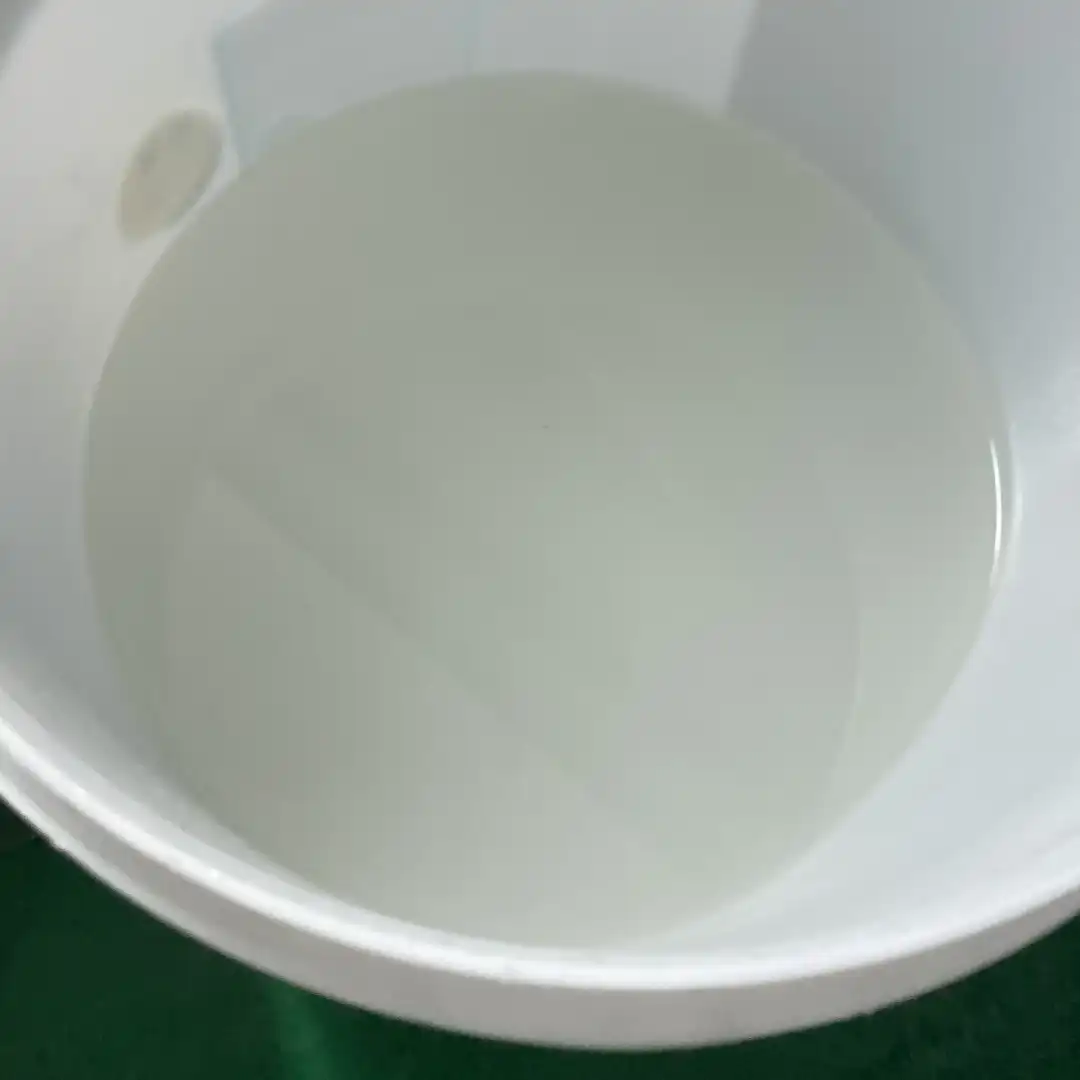
Manufacturers apply a specialized coating known as hand feel oil or silicone feel oil. The liquid bonds to the silicone part during a high-temperature bake, creating a durable low-tack surface.
The formulation contains raw silicone rubber as matrix resin, Si-H crosslinkers, platinum catalyst, silica fillers for strength and matte feel, solvents that evaporate during cure, and inhibitors for shelf stability. The oil is sprayed onto the pre-cleaned part. During the bake, solvents evaporate, the platinum catalyst activates, and a crosslinked silicone film forms.
The result is a smooth, durable, dust-resistant surface that also reduces static behavior.
Application limitations
Feel oil is not suitable for food-grade silicone, body-grade silicone, or medical and biocompatible environments. The solvent fraction and platinum chemistry rule it out for direct-contact applications.
Hand feel oil MSDS reference
| Component | Weight % | CAS No. |
|---|---|---|
| Raw rubber | 35-37% | 68083-18-1 |
| Platinum water | 5-8% | 16941-12-1 |
| Chemical solvent | 40-42% | 8008-20-6 |
| Matting powder | 10-12% | 7631-86-9 |
| Additive mixture | 3-7% | 68037-59-2, 105-31-7, 97-90-5, 64742-94-5 |
| Property | Value |
|---|---|
| Appearance | Semi-transparent |
| Boiling point | 175-325 °C |
| Flash point | 65-85 °C |
| Ignition temperature | 400, 500 °C |
| Explosion limits | 1.2, 6.0% V/V |
| Waste classification | HW35 hazardous |
| Transport class | UN 8.2 corrosive |
The solvent fraction is flammable. Handling requires gloves, goggles, an apron, dust mask, enclosed systems with ventilation, and storage in a cool area away from ignition sources. Disposal follows hazardous chemical regulations.
UV-curable silicone: the solvent-free alternative
Hand feel oil works, but the process carries real compliance and operating cost. The solvent fraction at 40 to 42% generates VOC emissions and produces a waste stream classified as HW35 hazardous. The bake step needs a high-temperature oven with explosion-rated ventilation. China's 2018 Three-Year Action Plan and the GB mandatory VOC standards published between 2020 and 2024 have tightened the rules. EU REACH applies similar pressure. Manufacturers are looking for lower-emission chemistry on industrial coatings.
UV-curable silicone gives a similar anti-dust result with different chemistry and a faster cure.
How the UV cure works
The coating is a 100% solids silicone formulation with acrylate or epoxy functional groups plus a photoinitiator. No solvent carrier. The part is sprayed or dipped after cleaning, then allowed to settle briefly at room temperature. A UV lamp at 365 nm or at 395 nm triggers the photoinitiator, and the film crosslinks in seconds.
The cured film reaches pencil hardness above H with low surface tack and reduced static behavior. For optically clear silicone like LED lenses, encapsulants, and lightguides, UV cure holds transparency better than thermal feel oil because there is no solvent evaporation phase to disturb the film.
Why it suits production today
UV cure eliminates the solvent evaporation step, which removes the VOC abatement requirement entirely. Cure time drops from a 10 to 30 minute bake cycle down to a few seconds under the lamp. A UV lamp draws less power than an industrial oven, so the energy footprint per part is lower. The waste stream no longer includes spent solvent classified as HW35, which simplifies hazardous waste handling.
Heat-sensitive assemblies benefit most. Overmolded electronics and thermoset substrates that cannot survive a 150 °C bake handle UV exposure without damage. The fire load on the shop floor also drops, because the flammable solvent fraction from feel oil is no longer present.
Trade-offs to know before specifying
UV light does not reach shadowed geometry. Deep undercuts and internal cavities can leave uncured zones unless the formulation includes a dual-cure mechanism that combines UV with moisture or thermal. Pigmented or opaque parts need higher UV intensity or longer exposure to cure cleanly through the film.
The decision between feel oil and UV cure is driven by geometry and optical requirement, not preference. For complex opaque housings, thermal feel oil may still be the right call. For optical parts and heat-sensitive assemblies, UV cure usually wins.
What to specify when sending your part for quote
Note the finish requirement directly on your STEP file or in the message. Useful detail includes the end-use environment (consumer-facing, optical, medical, automotive), whether the part is transparent or pigmented, whether the assembly includes heat-sensitive components, and any regulatory framework the finish must comply with. Our engineering team selects feel oil or UV cure during DFM review and quotes the part with the finish specified.
Frequently Asked Questions
Does silicone always attract dust?
Yes, untreated silicone attracts dust. Two mechanisms cause it. Low-molecular-weight polymer chains at the surface create slight tack. Handling builds a static charge. The effect shows up most on transparent parts, on matte black housings, and on high-touch consumer surfaces. The production fix is a post-cure anti-dust coating. Feel oil suits opaque parts with complex geometry. UV-curable silicone suits optical parts and heat-sensitive assemblies.
Will a custom silicone part from Dabojin attract dust?
By default, yes. That is the behavior of cured silicone. We specify either thermal feel-oil coating or UV-cured anti-dust coating during DFM review, depending on geometry, optical requirement, and end-use environment. Note the coating preference on your STEP file and we quote the part with finish specified.
Is hand feel oil banned?
Not banned outright in most jurisdictions, but increasingly restricted under VOC regulations. China's GB mandatory standards published between 2020 and 2024 set content limits. EU REACH applies similar pressure. The waste stream is classified as hazardous (HW35 in China). Many manufacturers now offer UV-cured anti-dust coating as the lower-emission alternative.
Can I apply an anti-dust coating to a finished silicone part I already have?
Industrial anti-dust coatings are production processes applied at the manufacturer. They require pre-cleaning, spray equipment, and either a bake oven or a UV cure station. Application after the fact is not reliable. Adhesion fails because surface contamination during use leaves the silicone unable to bond a new film.
What about temporary fixes for dust on existing silicone parts?
Washing with soap and water, isopropyl alcohol wipes, or anti-static sprays reduce dust pickup for a short period. None of these methods give a permanent surface change. For production parts the answer is a coating applied at the manufacturer.
See also
- Silicone 101: Chemistry and Composition
- Material Library: 17 Silicone Grades and Their Uses
- Compare Silicone and Plastic by Breaking Myths and Knowing the Facts
- Discover the Pros and Cons of Antibacterial Silicone and When to Use It
- Learn How Silicone Stands Up to Heat and Holds Its Shape
- Rubber Material Selection Guide: 32 Compounds by Requirement
- A shore hardness in silicone learn in details
- Transparent Silicone Parts: Achieving Balance
- MOQ Explained: What It Means for Your Quote
- Design Guide: From Durometer to DFM