
Custom Silicone Extrusion: Profiles, Tubing, and Cable Jacketing
We extrude custom silicone profiles, tubing, and cable jacketing, including metal-core, wire-core, and PEEK-reinforced constructions. It is one of the methods we use to produce custom silicone products. Extrusion runs continuous lengths, so the cross-section is the part you are buying and the die is where the precision lives.
What We Can Extrude
- Cross-section. 0.5 mm to 50 mm
- Tubing. Inner diameter 1mm to 10mm, outer diameter 2mm to 52mm.
- Hollow profiles and channels. Wall thickness 1.5mm to 6.0mm. Hollow sections hold their shape during vulcanization either by self-support or by internal air pressurization. Below 1.5mm the wall sags or distorts in the oven under its own weight and the pull of the haul-off. Above 6.0mm the cross-section cures unevenly, because thermal gradients build across a thick wall faster than the heat travels through it.
- Length. Cut to length, spooled or coiled to 100 metres, or custom continuous runs.
- Tolerance. ±0.1 mm small diameters, ±0.5 mm at 50 mm.
- Durometer. Shore A 30 to 80. Extrusion has a narrower range than compression molding, because the compound has to flow through a die and then hold its own shape unsupported until it cures.
- Reinforcement. Metal core, wire core, fabric reinforcement, and PEEK-reinforced compounds.
For standard and medical tubing rather than custom profiles, see silicone tubing.
How Complex Can Silicone Rubber Extrusions Be?
Extrusion looks simple and is not. These are the variables that decide whether a profile holds its section:
- Varying the geometry of the screw
- Adjusting the speed of the screw
- Controlling pressure and temperature near the die
- Consistently producing high-quality profiles at the output of the die
- Avoiding unwanted bubbles or non-homogeneity in the final product
- Adapting to different catalysts used in the compound, requiring different types of ovens or kilns for curing
- Adjusting temperature, pressure, and speed to match the unique requirements of each extruded rubber material.
Custom Silicone Rubber Extrusion Services:
What we extrude:
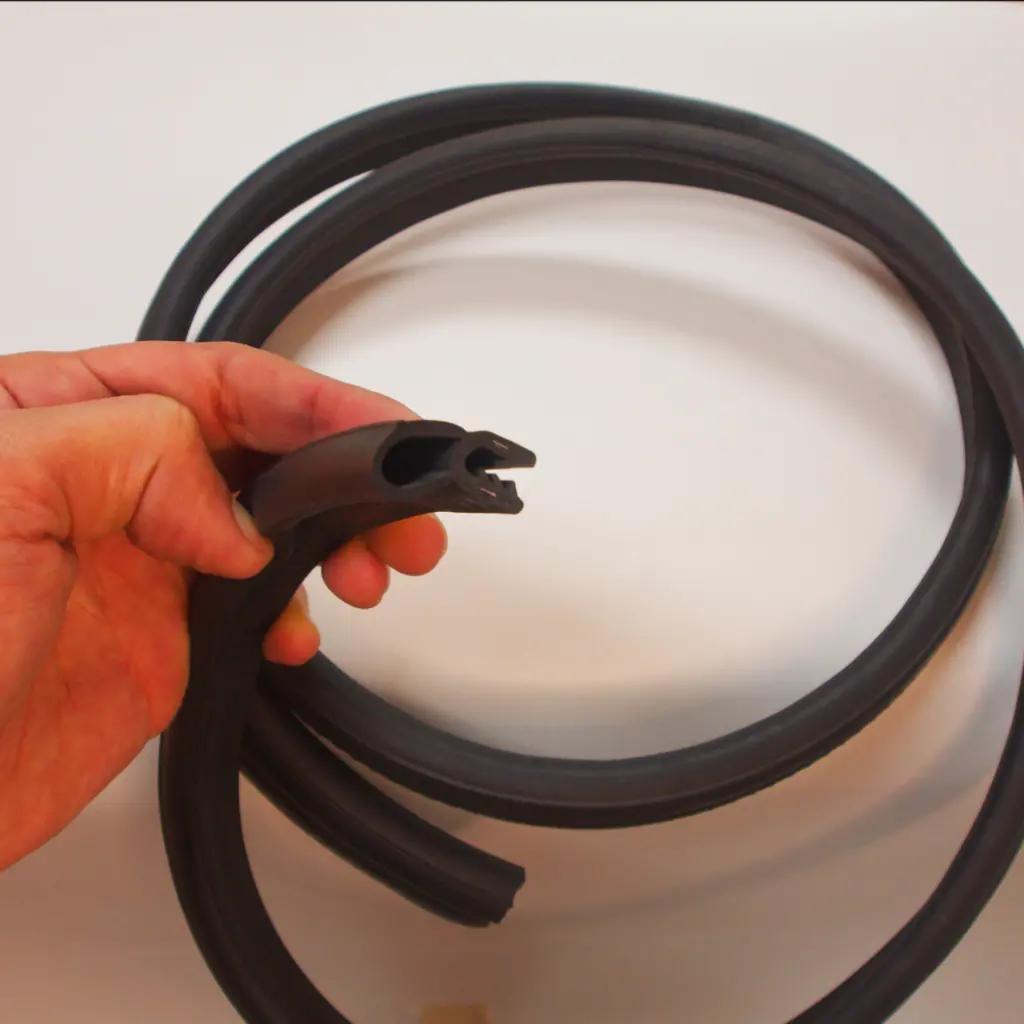
- Silicone seals and gaskets in various shapes and sizes.
- Insulation profiles for thermal management systems.
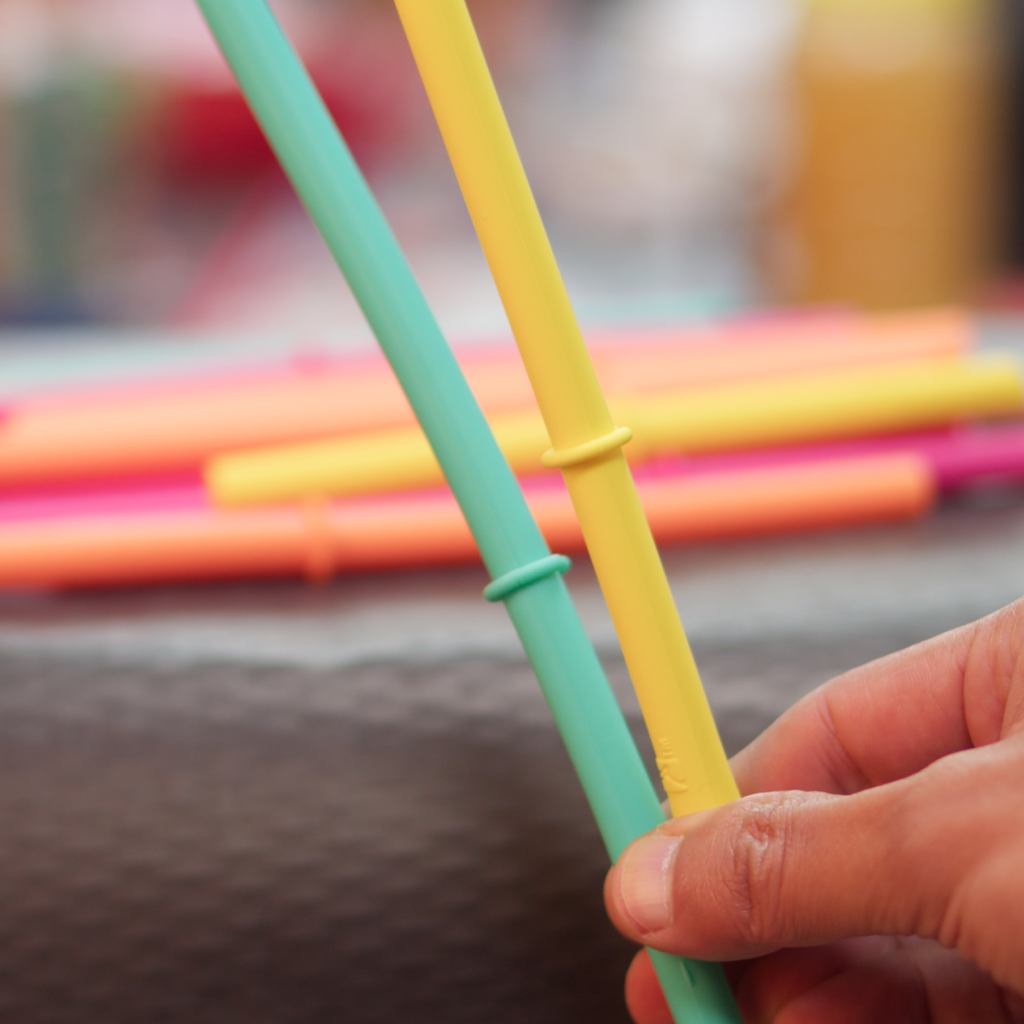
- Flexible silicone hoses and tubing with customizable inner diameters and wall thicknesses for industrial, medical, or food processing applications.
- Custom-shaped sensors, probes, and measuring devices for scientific research, quality control, or medical settings.
- Medical device components like catheters, syringes, and tubing in various shapes and sizes.
- Components for food processing equipment that withstand high temperatures, chemicals, and sterilization processes.
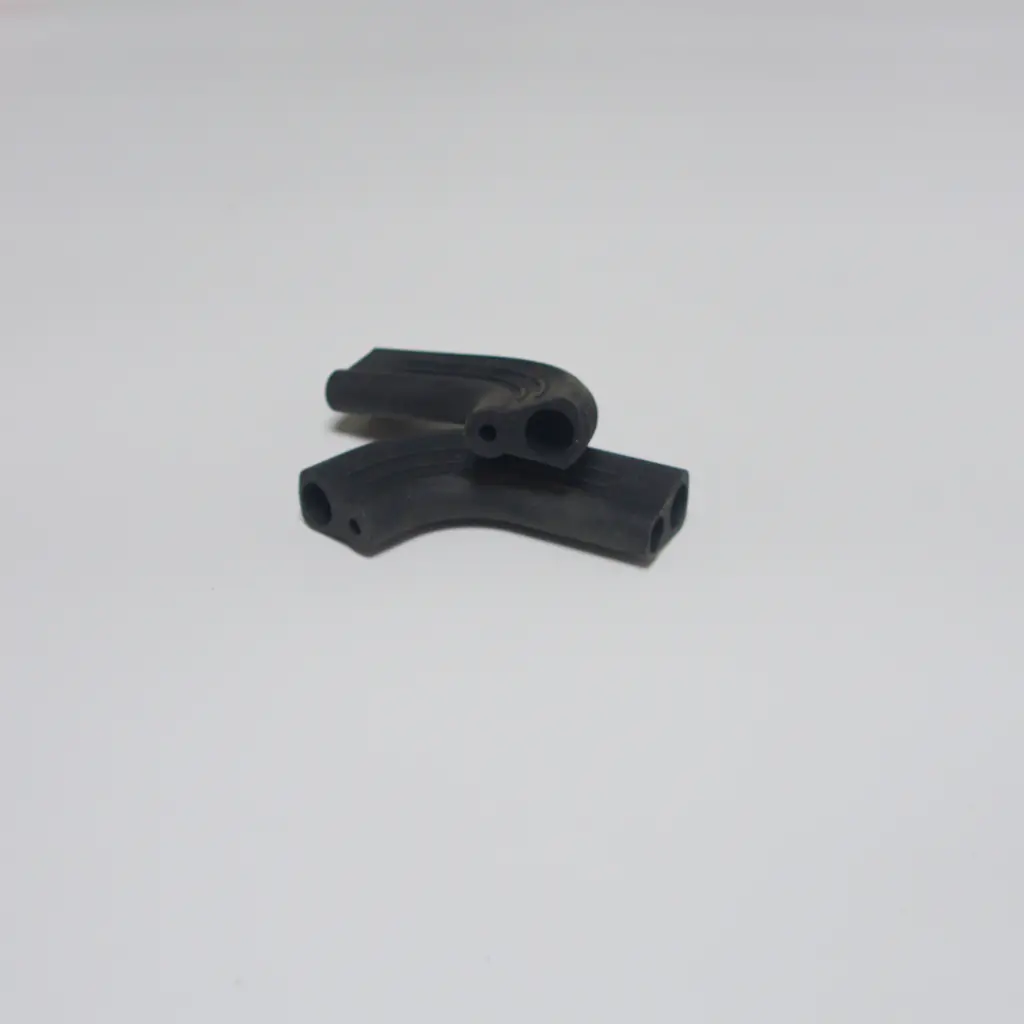
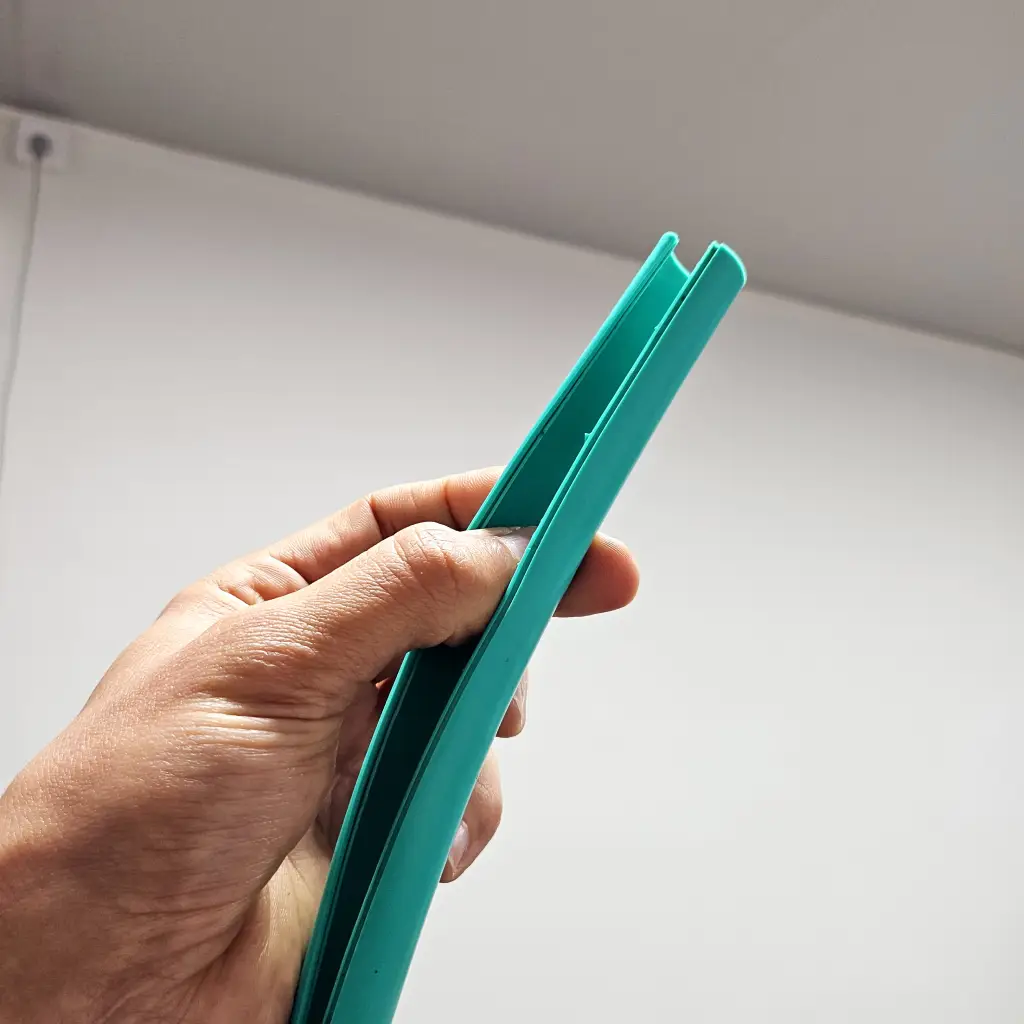
- Complex custom profiles and shapes for unique applications.
- Silicone products with fabric reinforcement for industrial applications requiring high strength and durability.
- Aerospace components like seals, gaskets, and tubing.
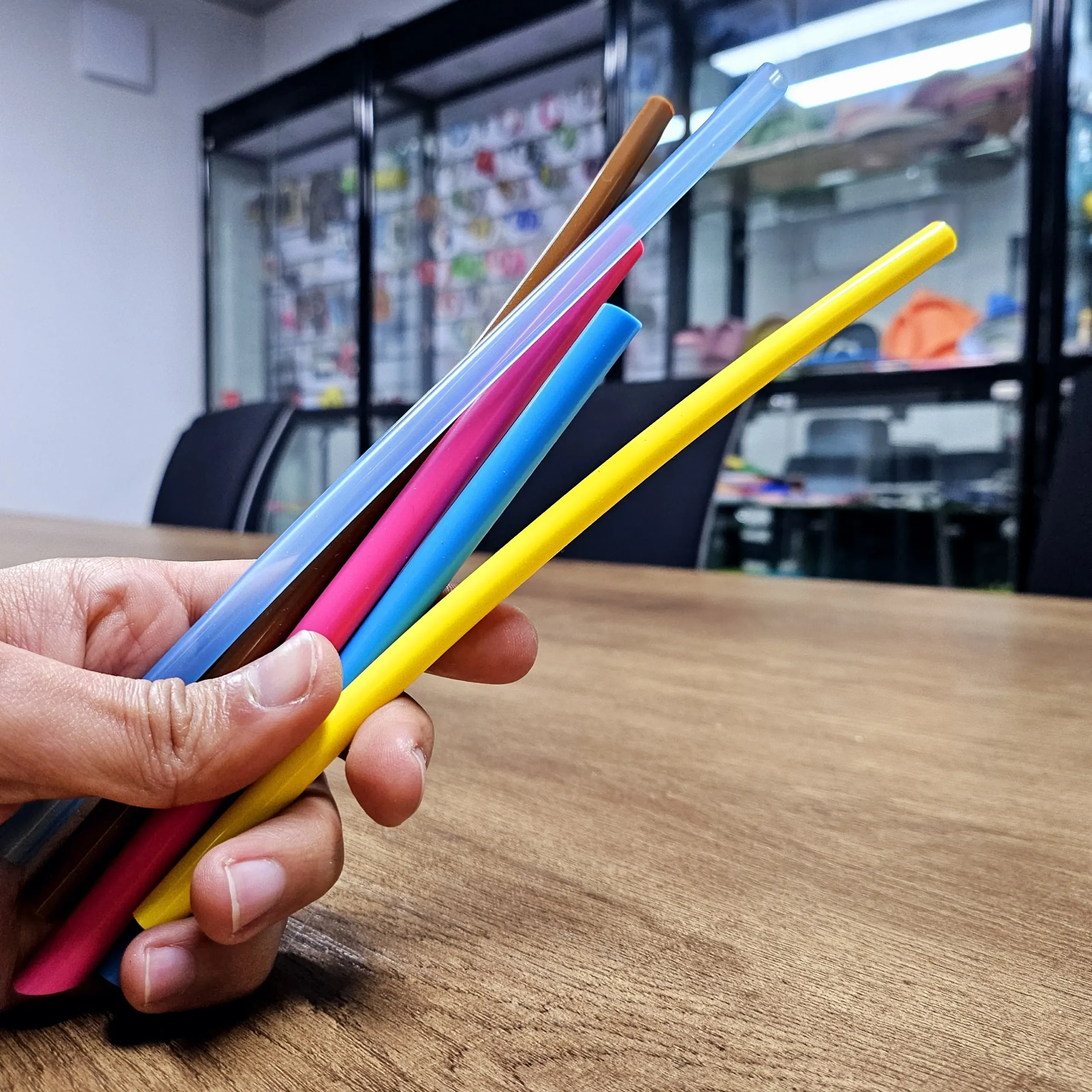
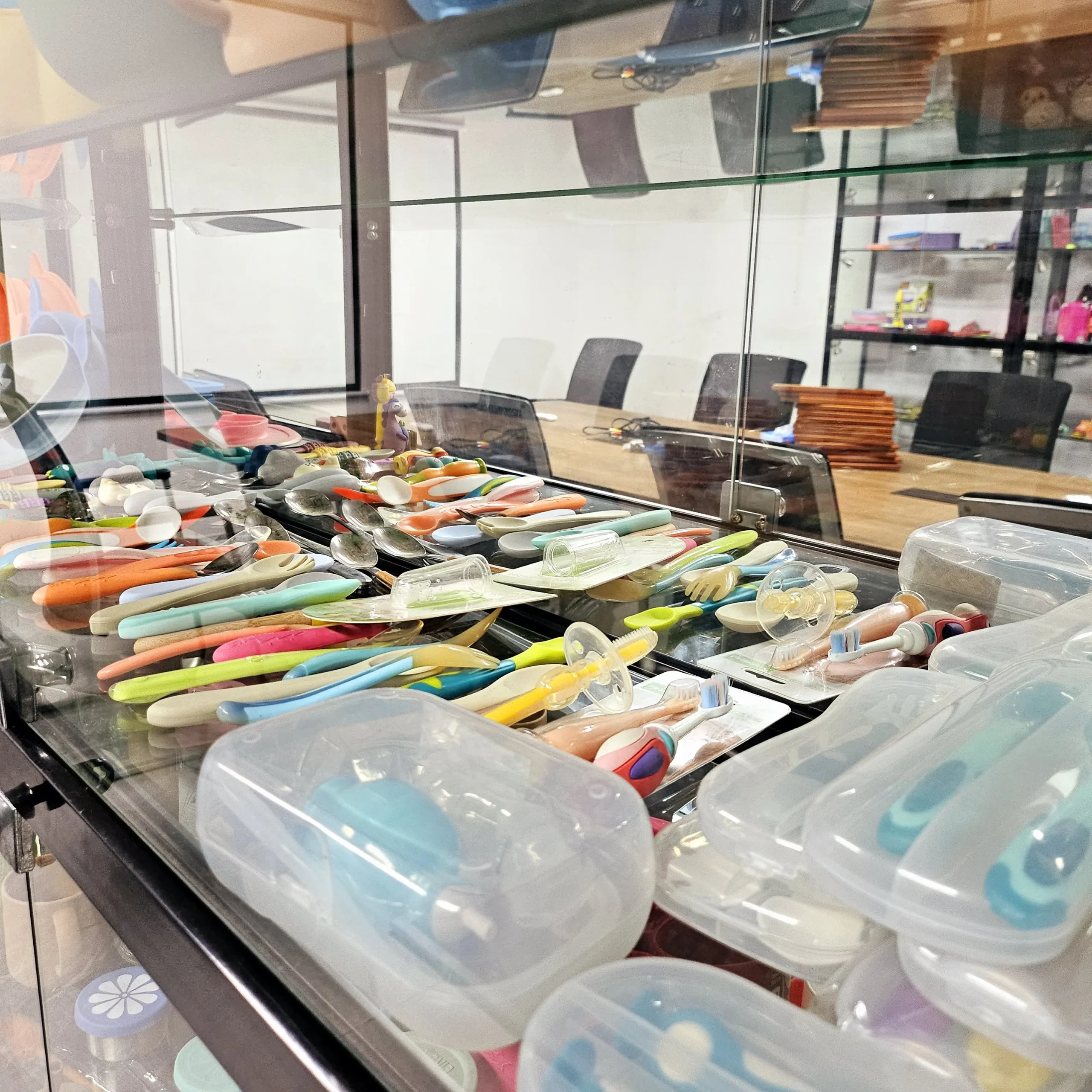
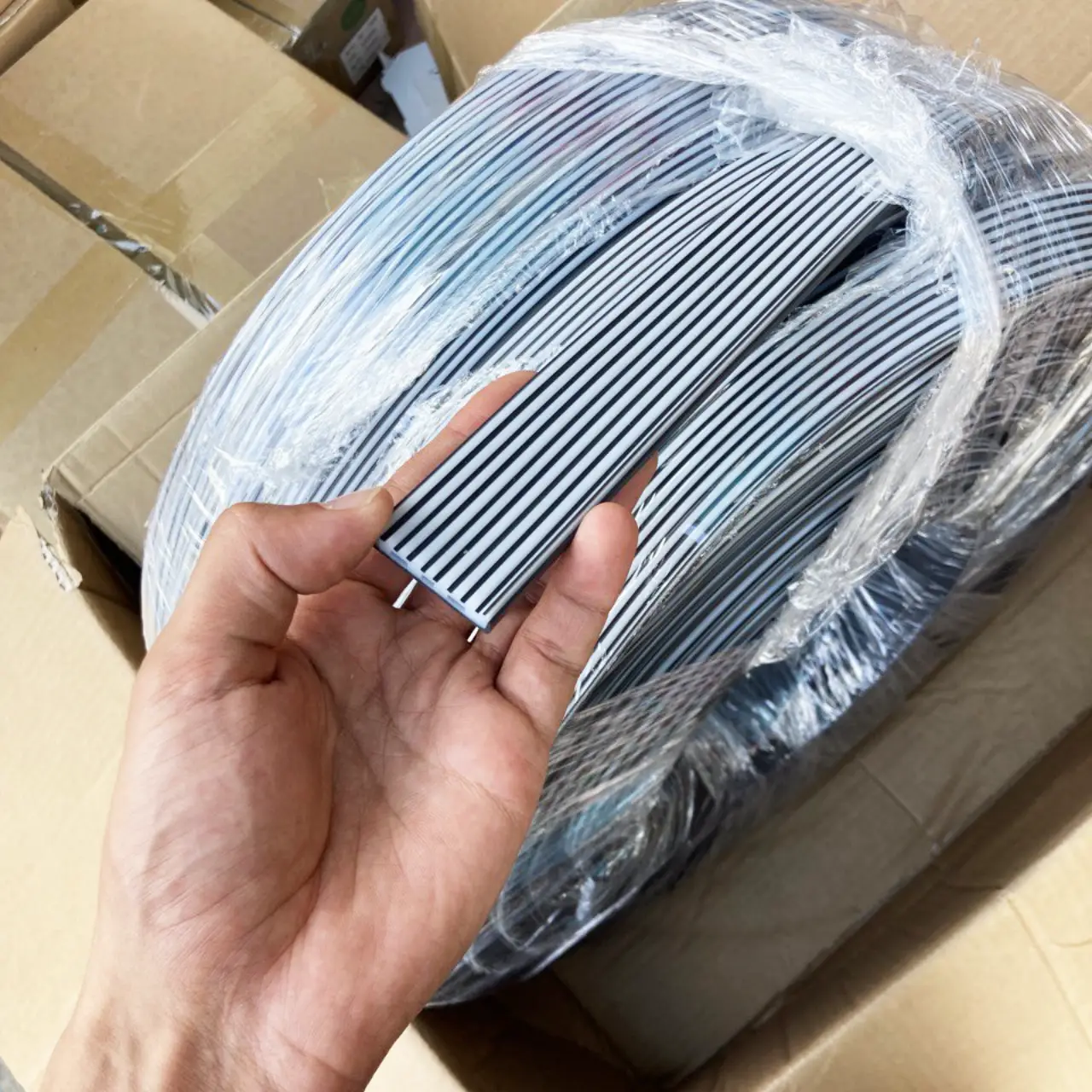
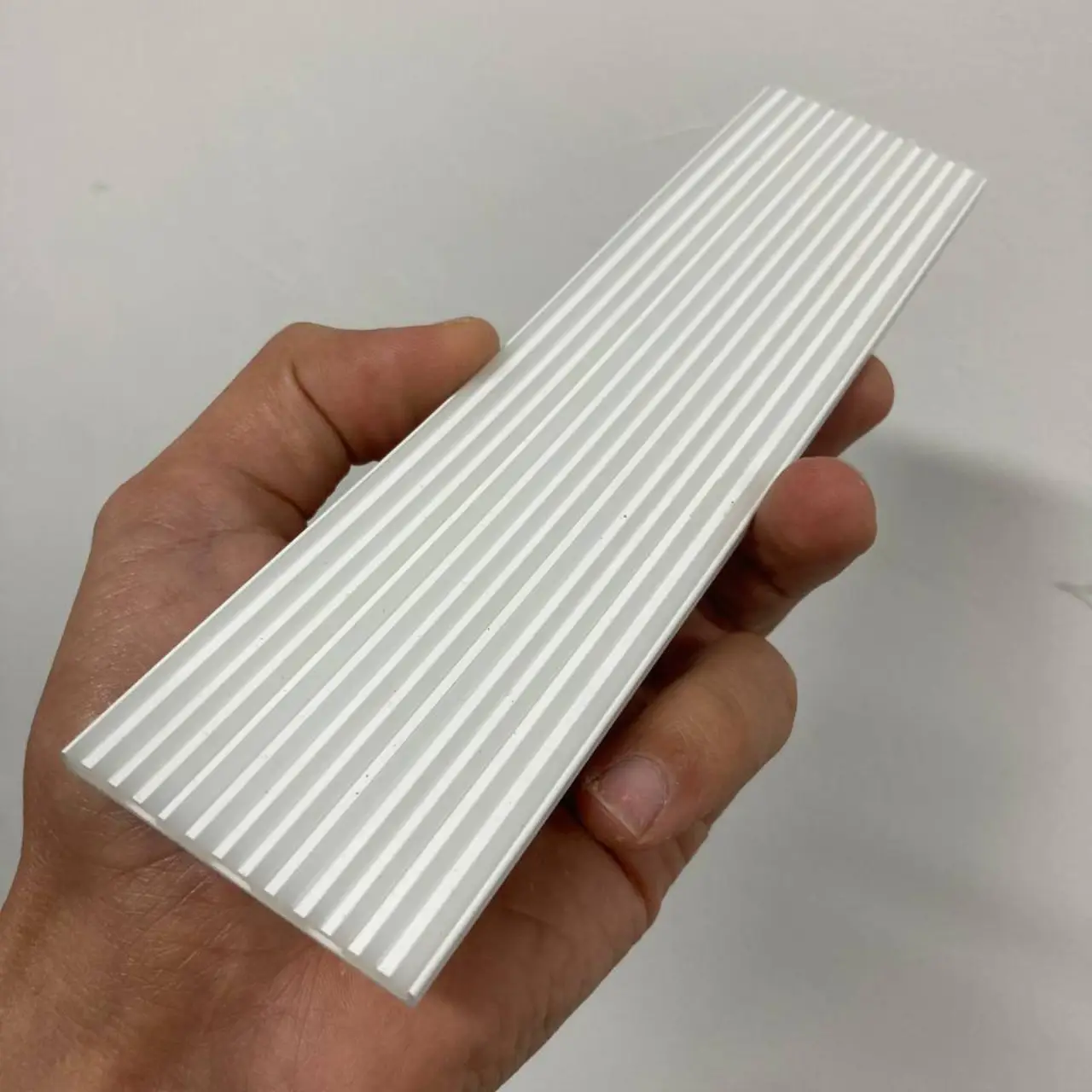
We can help with design, material selection, or manufacturing. Free samples available on request.
The Process of Silicone Rubber Extrusion
Raw material is mixed and forced through a die that sets the profile shape. Screw speed, pressure, and die temperature all move the result, and temperature moves it most, because it changes how the material cures as it leaves the die. Those three are controlled together, not separately.
Materials Used in Silicone Rubber Extrusion
Silicone rubber is a thermoset elastomer with a silicon-oxygen (Si-O) backbone, reinforced with silica and other additives. High-consistency silicone rubber products are often used in extrusion processes that require precise control due to their unique properties.
For the full grade lineup, including transparency levels and technical data sheets, see our silicone types and grades guide. Grade and durometer are confirmed per design, since each method has its own limits.
Our Complete Silicone Manufacturing Methods.
- CNC Tooling: Precision tooling manufacturing
- Silicone Compression Molding: Durable, high-precision parts
- Die Cut Solutions for Medical Industry: Flat gasket fabrication
- Liquid Silicone Injection Molding: Complex, high-volume production
- Silicone Die Cutting: Gaskets for automotive
- Silicone Overmolding: Bonding silicone to substrates
- Silicone Prototyping: Fast sample development
- Complete Silicone Compression Molding Guide