
Silicone Prototype Manufacturers: Rapid CNC Soft-Tooling Prototyping
We produce silicone and rubber prototypes using CNC-milled soft tooling, with a DFM review before we cut anything. Send us your STEP or CAD file and we confirm material, tooling method, and geometry fit within 24 hours. If your design is not ready, our design and engineering team can take it from sketch to mold-ready file.
- CNC soft tooling + 3D print molds, in-house
- Tolerances to ±0.2mm, Shore A 10 to 80
- Same mold runs prototype and small batch production
- ISO 9001 certified, DFM review within 24 hours
How Fast, and What You Get
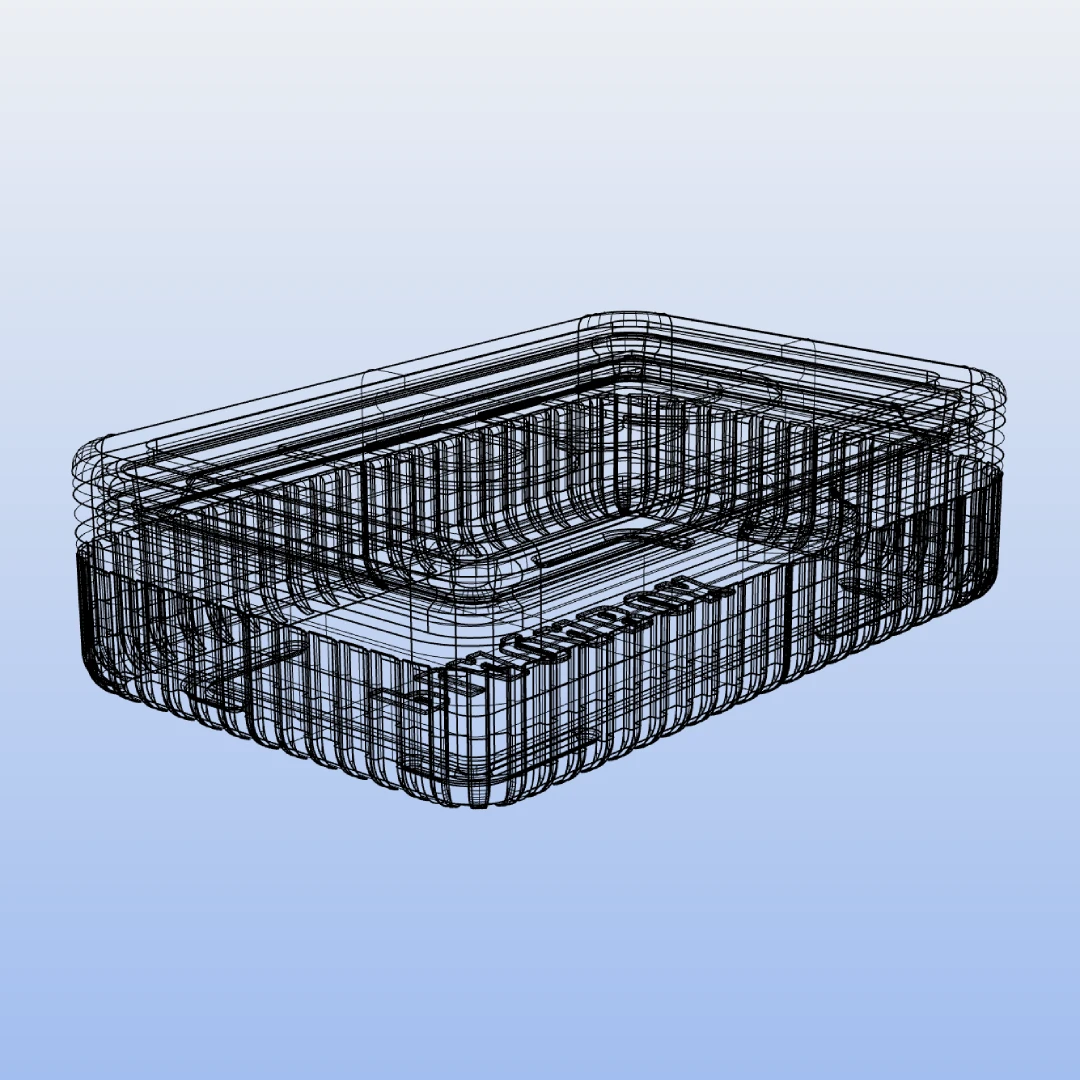
Concept check, 3D printed mold. Prototype shipped in 3 to 5 days. Confirms form, fit, and basic geometry. Material options are limited and dimensional accuracy is lower than molded tooling, so this tells you whether the shape is right. Whether the part performs depends on your design.
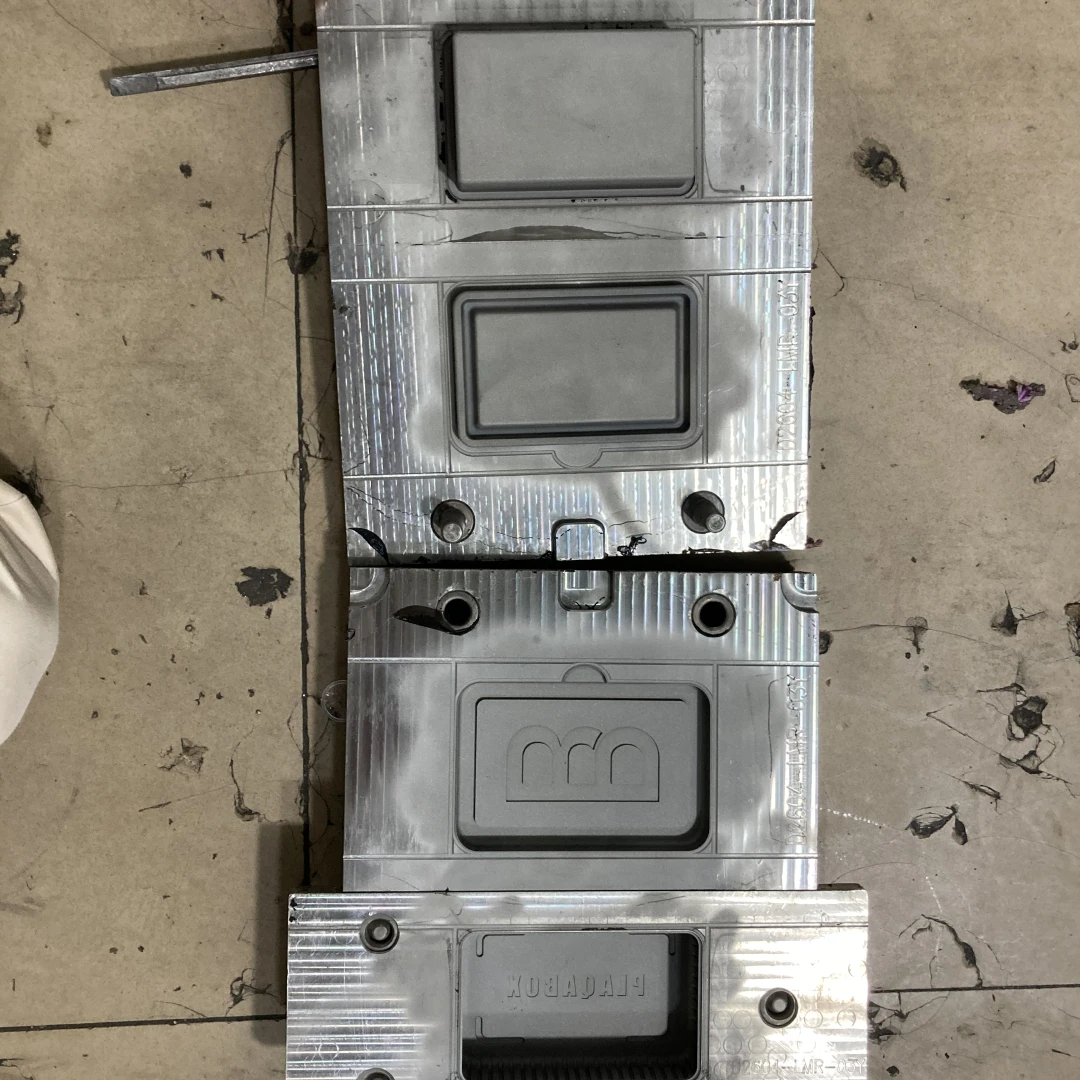
Production-representative, CNC stainless tooling. Mold in 20 days, first parts 1 to 2 days after that. Parts come out of real tooling in your production material and process, held to ±0.2mm. What you approve is what production makes, because it comes off the same tool.
Aluminum tooling. 10 to 15 days. We steer most projects to stainless instead, for the reasons below.
All figures are calendar days, not business days. Projects heading for production start with stainless. If the geometry is still moving, a 3D printed mold first is cheaper than finding the problem in steel.
Tooling Options: What We Use and Why
The wrong tooling choice causes most prototyping problems. We recommend a method based on how far along your design is.
3D Printed Molds
For very early concept checks: form, fit, and basic geometry. Material options are limited and dimensional accuracy is lower. We use this when a buyer needs to confirm a shape before committing to tooling spend.
Aluminum Soft Tooling
Machines quickly and costs roughly the same as stainless. Aluminum is more prone to damage under repeated clamping pressure, and there is limited room to modify cavity dimensions after first shots. If the design is still changing, that gets expensive.
Stainless Steel Soft Tooling
Our recommended starting point for most projects. It holds dimensions through multiple design iterations, tolerates the clamping forces in compression and overmolding, and gives us room to adjust the cavity if the first prototype needs changes. The mold you prototype with can run into early production without retooling.
The Prototyping Process
What happens between your file arriving and a prototype shipping.
1. Submit Your Design
Send your CAD or PDF file through the contact form. A sketch works too if you have no CAD file. Tell us if you need an NDA in place first.
- STEP, IGES, DWG formats accepted
- PDF drawings with dimensions
- Sketch or concept, we can develop from that
2. DFM Review Within 24 Hours
Before we quote or cut anything, we review your design for manufacturability. Any problems are flagged in writing before you pay. We confirm the material grade, silicone or rubber, against your application. See our material sourcing and traceability page for grades and certifications.
- Wall thickness and draft angle check
- Parting line and mold release review
- Silicone or rubber grade confirmed
- Compliance and safety requirements verified
3. Quote and Tooling Confirmation
You receive a quote covering tooling cost, prototype quantity, and timeline. We confirm mold material and molding process before proceeding.
- Tooling cost and prototype quantity
- Mold material: 3D print, aluminum, or stainless
- Molding process confirmed
4. Mold Production and Delivery
We machine the mold in-house. First prototype parts are run, checked against your file, and shipped with documentation.
- In-house CNC mold machining
- Dimensional check against your file
- Samples shipped with full documentation
Functional Validation: What We Can Prototype
Standard Compression-Molded Prototypes
GASKETS · SEALS · ENCLOSURES · BUTTONS · BUMPERS
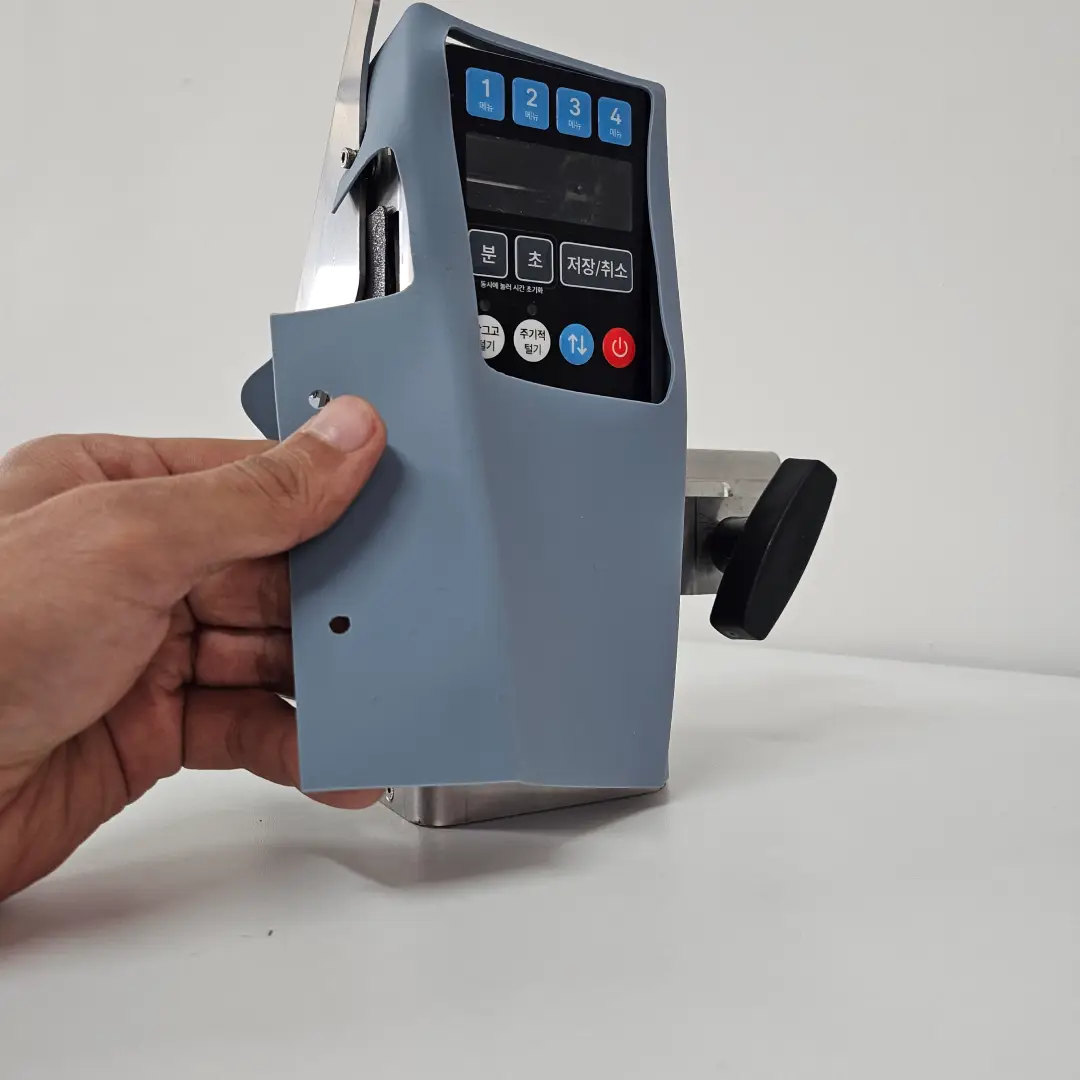
We CNC-mill the mold first, then compression mold the prototypes. Tolerances hold to ±0.2mm. Parts are production-representative in material and geometry.
Example
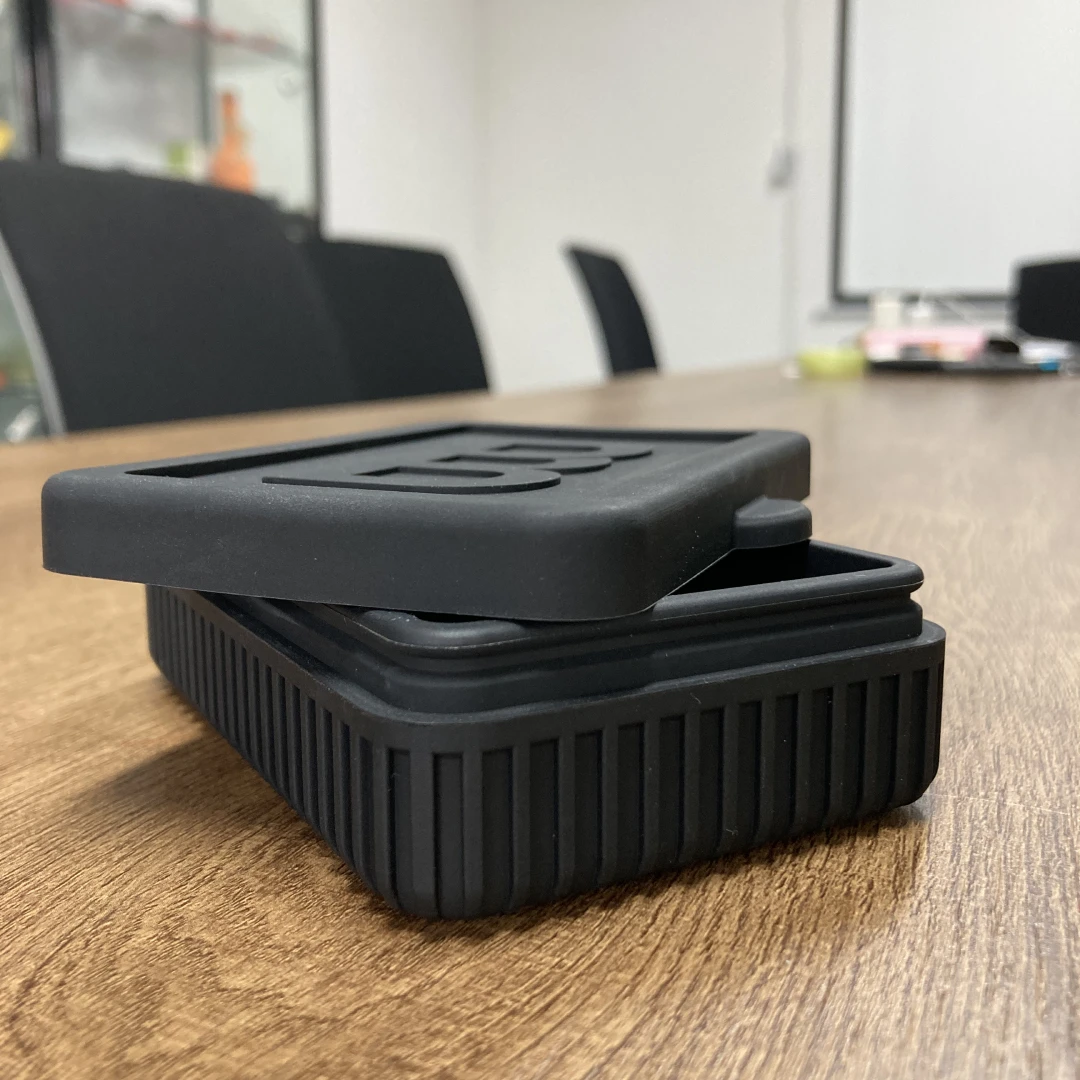
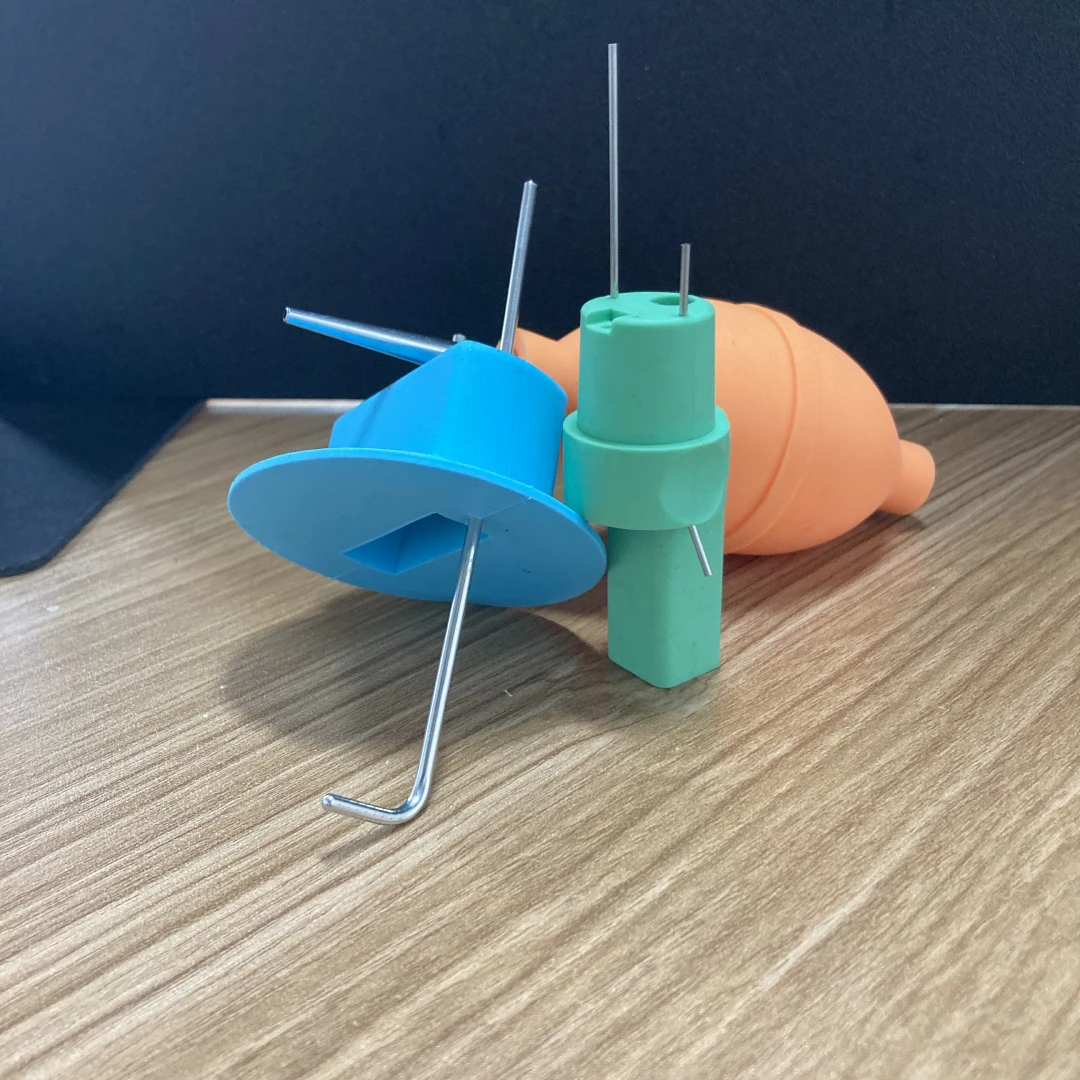
Custom silicone case for a cookware robot. Approved 3D file → CNC-milled stainless mold → compression-molded prototype. The first prototype confirmed fit and wall thickness before production tooling was ordered.
Overmolded Prototypes
METAL · PLASTIC · ELECTRONICS
We prototype silicone overmolded onto metal, plastic, and electronics substrates. We check material compatibility and bond line geometry before tooling starts, and build mechanical retention features into the mold to strengthen the bond.
Example
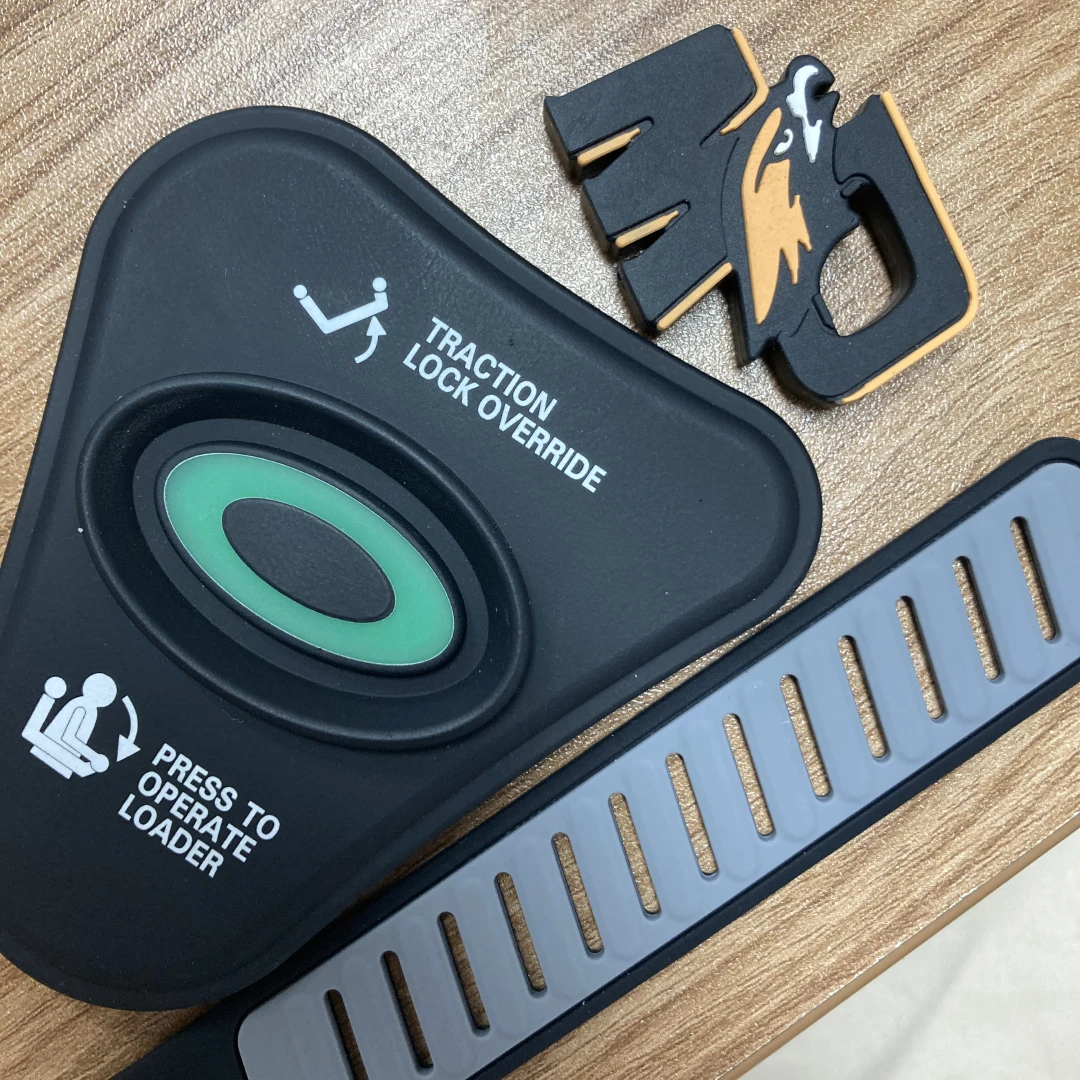
Silicone overmold bungs onto stainless steel 304 inserts for biotech lab equipment, and protective bumpers onto plastic clips for vibration damping and edge sealing.
Color and Surface Finish Prototypes
COATING · LASER ENGRAVING · FULL VISUAL FINISH
We produce an uncoated clear prototype first to confirm geometry and function. Once you approve it, color coating goes on. Laser engraving is the final step.
Example
Silicone case for a helmet intercom. Clear prototype approved first, color coat applied second. Laser engraving removed the outer color layer to expose the white base material, so LED light shows through the engraving.
What Happens After Sign-Off
You own the prototype mold. It stays at our facility for production runs, or we ship it to you if you ask. The same stainless tool runs your first production quantities, with no retooling and no new DFM.
That tool runs up to about 1,000 pieces, which covers a first market test for most new products. Per-part cost is higher than volume production, because a prototype tool has few cavities.
When you need per-part cost down, we cut a multi-cavity tool from the approved geometry. Cavity count is set to the volume you need. Some customers never need high volume, and the tool is built for that. We quote tooling after DFM, not from a price list, because part complexity and cavity count decide the number.
Dimensions do not shift between prototype approval and production. Production parts come off the same tool as your prototypes.
Why Dabojin for Prototyping
We have produced custom silicone and rubber parts since 2005. ISO 9001, ISO 45001, and ISO 14001 certified. Every prototype ships with dimensional documentation. We machine tooling in-house. No brokers, no outsourced mold production.
For buyers working with a Chinese manufacturer for the first time: every project comes with written DFM feedback, documented material certification, and dimensional reports on every batch. You have a paper trail from file submission to delivery.
Before You Send a File
What files do you need to start a prototype?
STEP, IGES, and DWG formats are all accepted. PDF drawings with key dimensions also work. If you have a concept sketch but no CAD file, contact us and we can help develop the design before DFM starts.
What is the difference between a 3D printed mold, aluminum tooling, and stainless tooling?
3D printed molds are for very early concept checks: form, fit, and basic geometry only. Material options are limited and dimensional accuracy is lower. Aluminum soft tooling machines quickly at similar cost to stainless, but is more prone to damage under repeated clamping and offers limited room to modify cavity dimensions after first shots. Stainless steel tooling is our recommended starting point. It holds dimensions across multiple design iterations, tolerates compression molding forces, and the same tool runs your first production quantities without retooling.
What tolerances do you hold on prototypes?
±0.2mm on CNC-milled soft tooling with compression molding. 3D-printed molds hold looser tolerances and suit early concept checks only.
Can you prototype rubber parts, not just silicone?
Yes. We prototype in both silicone and rubber. We confirm the material grade during the DFM review, based on your application environment and compliance requirements.
Do I own the mold after prototyping?
Yes. Mold ownership transfers to you at project sign-off. The tool stays at our facility for production runs. We ship it if you ask, though most customers keep it here to avoid cost and transit risk. Full documentation is provided either way.
What happens when my volume increases?
The same stainless prototype tool runs your first production quantities, up to about 1,000 pieces. When you need per-part cost down, we cut a multi-cavity tool from the approved geometry. No redrawing, no new DFM.
Do you have an MOQ, and what drives the price?
No MOQ. Order one piece for a prototype or a million for a production program. We support startups testing the market, R&D teams iterating on a design, and OEMs running long production. Five factors drive the price: part geometry and mold complexity, tolerance class, material grade, secondary operations (post-curing, printing, assembly, adhesive backing), and certifications. Most quotes return within 24 hours once the DFM passes.
Will you sign an NDA before I share files?
Yes. Either send your NDA or use ours. We don't run a parts catalog, sell competing products, or reuse client designs. Files are handled with restricted internal access and kept only as long as the project requires.
What is the lead time for a prototype?
3D printed mold: prototype shipped in 3 to 5 days. Stainless soft tooling: 20 days for the mold, 1 to 2 days for first parts. Aluminum: 10 to 15 days, though we usually recommend stainless instead, see the tooling section for why. All figures are calendar days, not business days. Shipping is additional: 3 to 5 days by air, 25 to 35 days by sea.
What happens if a batch fails inspection?
Send photos and dimensional data within 30 days of receipt. We review batch records, reproduce the issue in-house where possible, and replace defective units on the next run at no charge. Replacement shipping is on us. We document root cause in a written corrective action report.
Related Manufacturing Services
Explore our other manufacturing methods, design support, and material sourcing.