
Silicone Compression Molding Complete Guide
Silicone compression molding places silicone between two CNC-machined mold halves, then applies heat and pressure to cure it into shape. This guide covers material selection, mold design, process parameters, the 13 steps of mold preparation, and the five most common defects with their fixes. For production tooling and quotes, see our compression molding manufacturing service.
Materials
Understand the types of silicone and their impact on the molding process.
Mold Design
Focus on key elements like draft angles, parting lines, and venting to optimize mold efficiency.
Process
Recognize how heat, pressure, and time influence the final product.
Troubleshooting
Identify common issues and their solutions to improve quality and consistency.
Preparation
Learn the correct methods for mixing and degassing silicone.
Need parts made, not just the process explained? Our compression molding manufacturing service covers tooling, tolerances, and lead times for your project.
Understanding Silicone Compression Molding
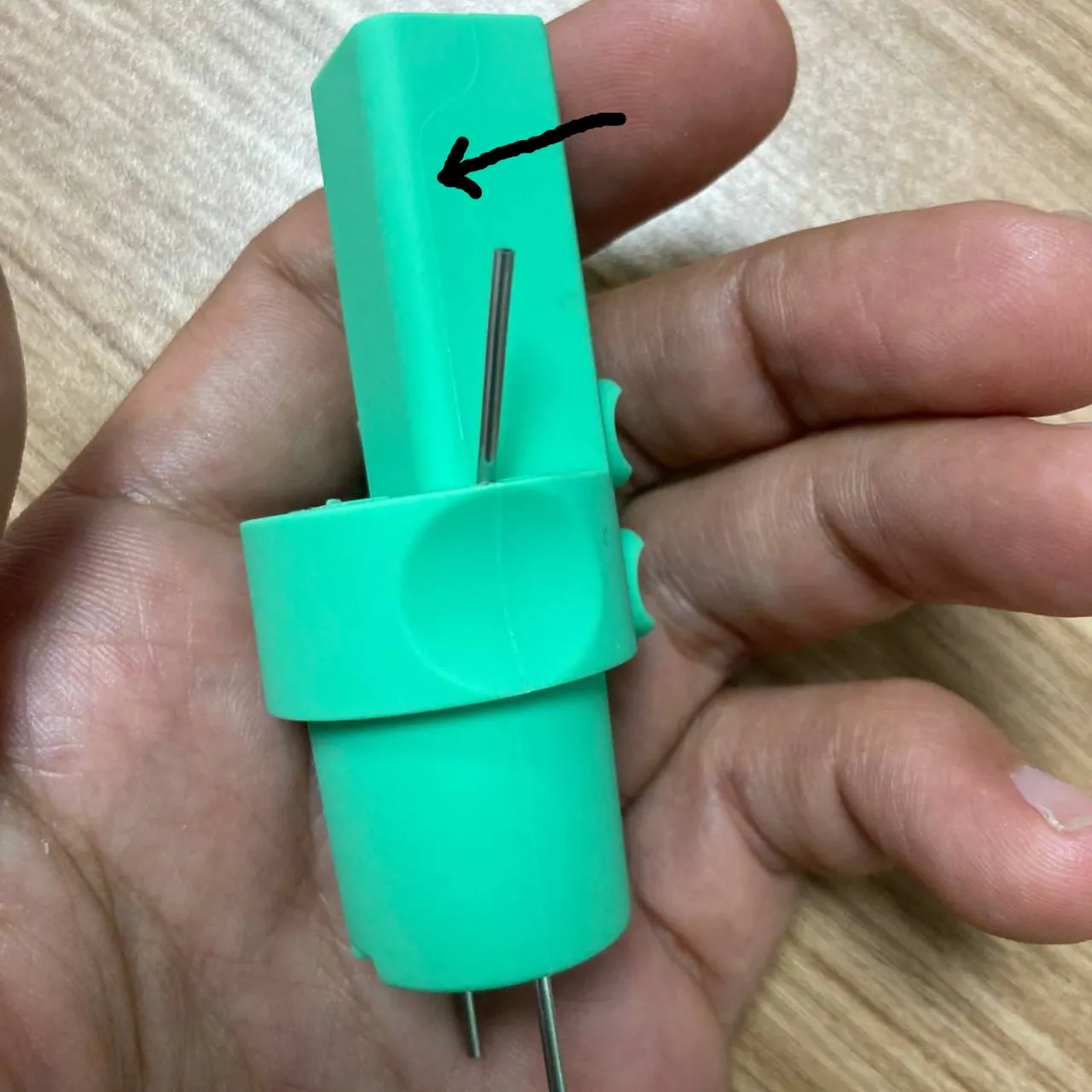
Compression molding is a manufacturing technique where silicone material is placed onto a mold cavity. The mold is CNC-machined to perfectly match the product design, comprising two distinct components: a base plate and an elevated profile.
The product design is sliced into two separate components. Compression molding machines hold two molds, with the silicone material placed between them. When the mold on the machine is compressed using heat and pressure, the silicone shapes onto the product. This process results in visible flash lines on the surface of the molded product. While these lines may be smaller than 0.05 mm, they are a common characteristic of compression molding.
The flash line itself is often caused by incomplete filling of the mold or uneven pressure distribution within it. However, with proper design and execution, compression molding can also produce overmolded products. This method involves combining multiple layers of different materials into a single molding process. For more details on this technique, see our silicone overmolding page.
The Properties of Silicone for Compression Molding: An Overview
To achieve quality in silicone manufacturing, it’s important to understand the properties of silicone. Silicone is a standout material, known for its heat resistance. It maintains its shape and strength under extreme conditions, such as in hot kitchens or high-pressure environments. Its durability against wear, UV rays, and extreme temperatures makes it ideal for compression molding applications.
Different Types of Silicone Used in Compression Molding
In compression molding, several types of silicone materials are used. Platinum-cured silicone, for example, is perfect for quick setting in food and medical products. High-clear silicone is used in LED products, while some silicone are flame-resistant, ideal for automotive and aerospace industries. By selecting the right silicone type, manufacturers ensure the highest quality end products.
Factors Influencing Silicone Production in Compression Molding
The type of silicone you choose significantly affects the molding process. Softness, stretch-ability, curing time, and additives like fire resistance all influence the shaping, curing, and end-product quality. Understanding these factors ensures you select the right silicone for the job and optimize the molding process.
Silicone Compression Molding Process Parameters
Optimal Temperature Range
For silicone, the optimal molding temperature ranges between 160°C to 232°C. This range ensures proper flow and curing without degrading the material.
Too Low (160°C): If the temperature is below this range, the silicone may not flow into all parts of the mold. Incomplete filling can occur, leading to poor mechanical properties. High adhesive materials can also cause shape and surface defects in the mold.
Too High (232°C): If the temperature exceeds this range, the silicone can burn or discolor. Overheating can result in premature cross-linking or vulcanization, leading to distorted shapes, weaker parts, or material degradation. The specific temperature within this range can vary, depending on:
- The type of silicone,
- The intended application,
- And the desired properties for the final product.
Manufacturers often need to conduct tests to determine the optimal temperature for a new material or mold design. In summary, silicone molds well between 160°C and 232°C. Too cold, it won’t fill the mold; too hot, it burns. The right temperature varies with the silicone type, use, and desired product quality.
Silicone Compression Molding Pressure Application
In our example case: Plasticity, in the context of silicone materials, refers to the material’s ability to deform under pressure.
Therefore, when considering a silicone material with a plasticity of 160 for compression molding, the amount of pressure applied is critical. Ensuring that the material flows and the final product meets the specifications is crucial.
Key Considerations for Pressure Application
Material Flow Properties: With a plasticity of 160, the silicone is likely to have a certain stiffness and viscosity. To achieve the same flow in intricate mold areas, you need higher pressure than with softer silicone, like 330.
Impact of Pressure Variation
Too Low Pressure
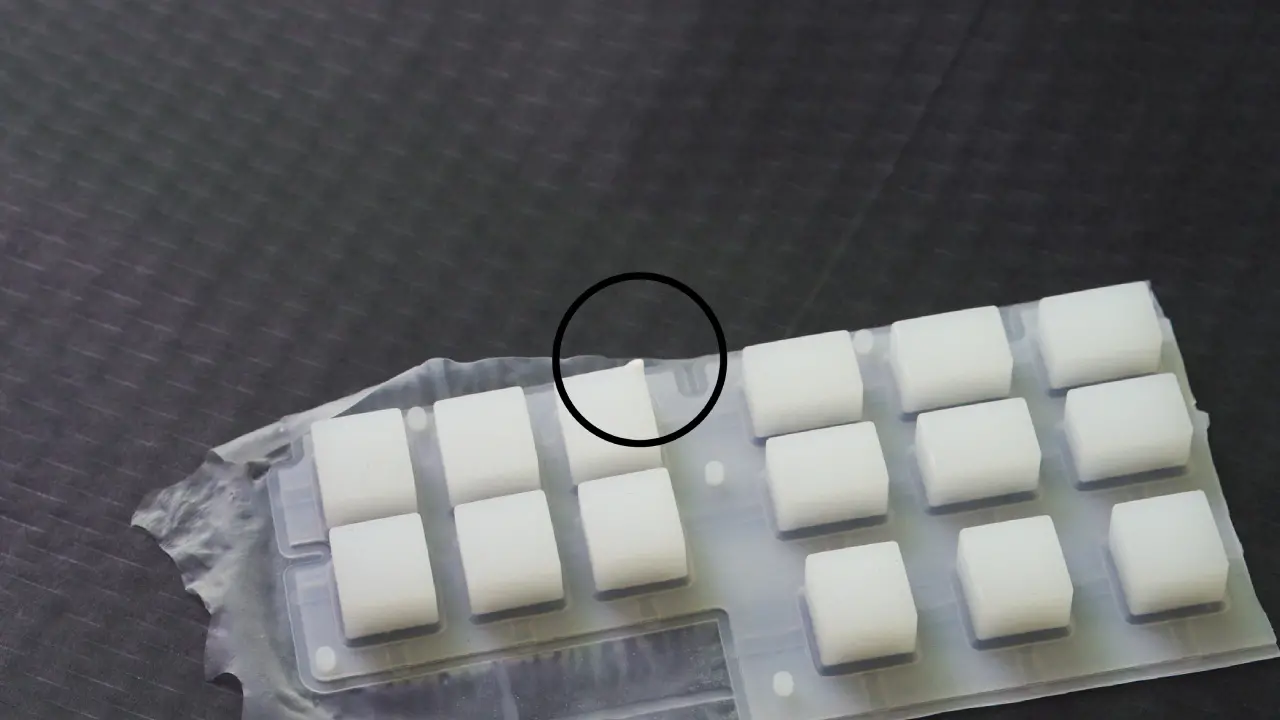
If the pressure is too low, the silicone won’t fill the mold, leaving parts incomplete. Stiffer silicone worsens the situation, missing fine details and resulting in improper shaping.
Too High Pressure
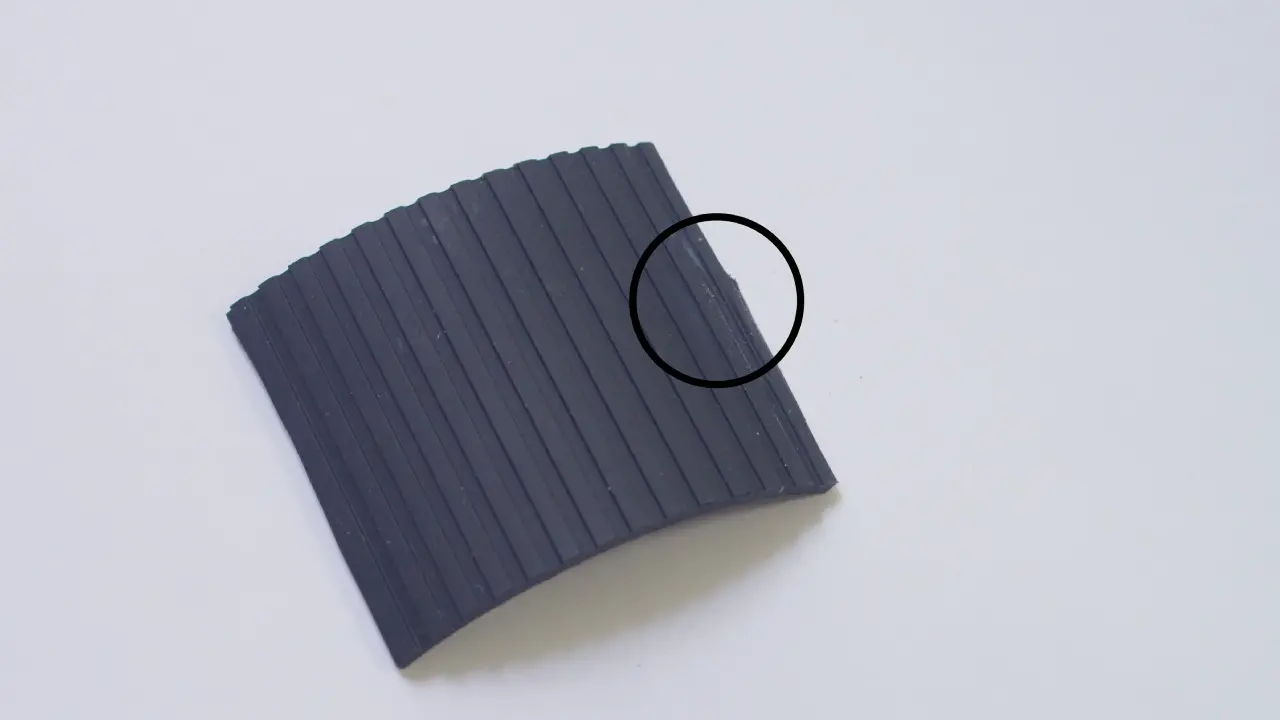
If the pressure is too high, silicone squeezes out, creating flash. This requires trimming and affects precision. It also stresses the mold, potentially causing wear or damage.
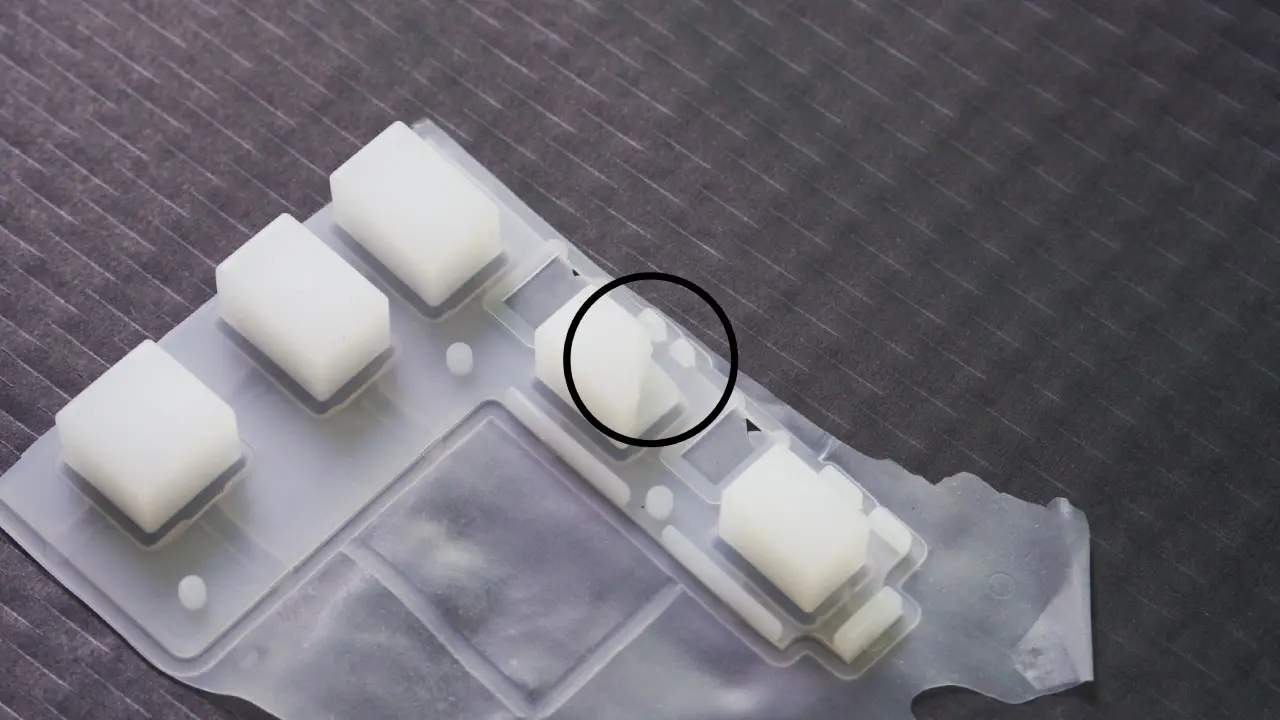
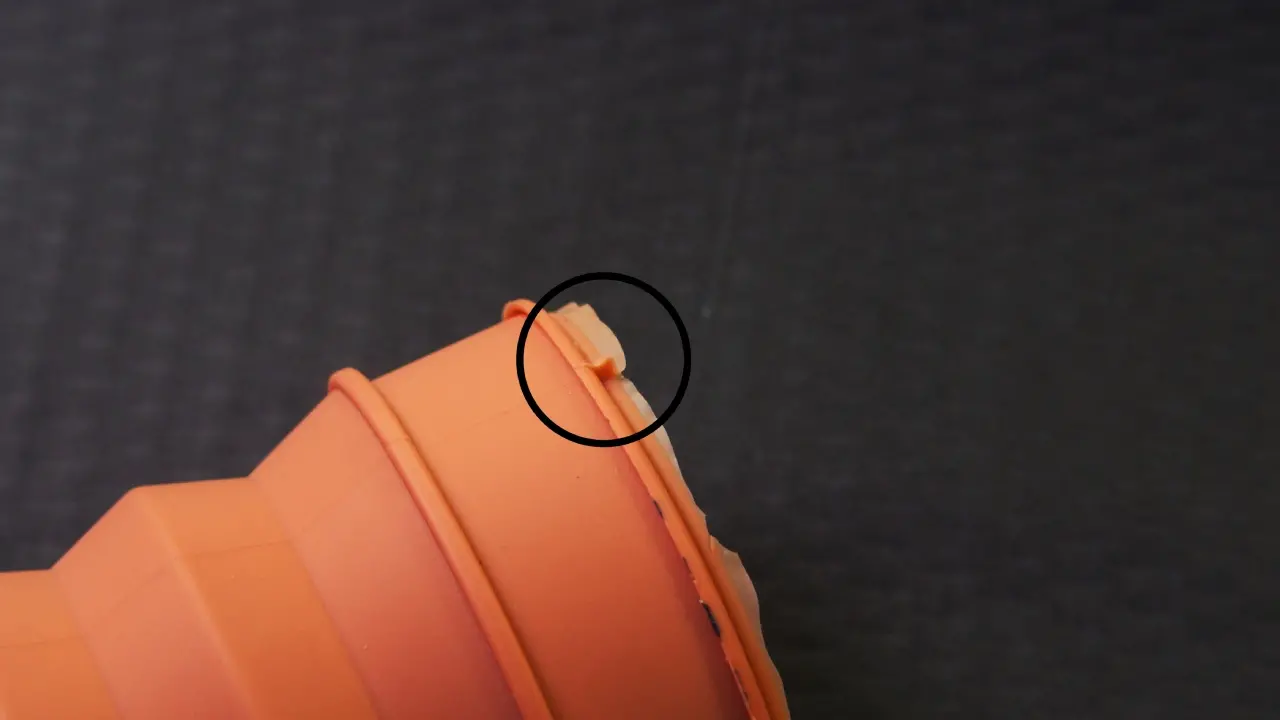
Right Pressure is Key: The right pressure fills the mold, cures evenly, and produces consistent parts. Wrong settings can cause defects such as incomplete filling, trapped air, and uneven surfaces. Balance is crucial for silicone to fill properly without causing issues.
In practice, finding the right settings requires testing and adjustments. Consider silicone plasticity, mold design, and the final product’s needs. Start with standard pressure for the silicone type, then adjust based on trial results. The goal is to achieve consistent, high-quality output that meets all requirements.
Mold Design and Complexity finding balance
The specific design of the mold, including its complexity, size, and the fineness of details, will impact how much pressure is needed. It’s important to use enough pressure for stiffer materials to fill the mold without causing damage or excess material. Keep in mind: Molds can be prone to breaking, and excessive pressure can lead to costly repairs. Hard molds retain design geometry perfectly but are prone to cracking, while softer molds bend easily without breaking yet risk subtly altering fine details. The crucial question is finding the right balance, and ultimately, only practical tests will provide the answer.
Part Thickness and Geometry
Thicker parts need extra pressure to fill before the silicone starts to harden. However, too much pressure on thinner or delicate parts can cause material distortion. The overall geometry of the part will guide the necessary adjustments in pressure. If you need help on design reach out to us, we will help you for free.
Preparing the Mold for Compression Molding: 13 Key Steps
Setting up the mold right is key for good production in compression molding. Here are the main steps to get the mold ready, aligned, and secure:
- Thoroughly Clean the Mold for Residue Removal
Clean the mold well. Remove all old residue and dirt. This includes the mold surfaces, vents, and any hidden parts. Some molds might need special cleaners. Note: Leaving any scratch on mold will result in scratches on the product.
- Apply Compatible Mold Release Agent
Use the right mold release so the silicone doesn’t stick. The choice depends on the silicone and mold type. Be careful with release agents, as some may not work well with silicone. Ensure the agent chosen is compatible with silicone’s properties.
- Inspect Mold for Damage and Wear
Look over the mold for any damage or wear that might ruin the final product. Make sure everything fits tight and right.
- Accurately Assemble All Mold Components
Put all parts of the mold together. This includes any slides, inserts, or cores.
- Pre-heat the Mold to Optimal Curing Temperature
Warm up the mold to the right temperature for the silicone. This helps cure faster and evenly.
- Perform Precise Mold Alignment Checks
Check the mold halves align precisely. Incorrect alignment can lead to defects such as flash or poor filling, which affect the final product quality.
- Properly Clamp and Secure the Mold
Clamp the mold tightly in the press. The force should be sufficient to keep the mold closed during compression but not cause any damage.
- Periodically Double-Check Tightness and Positioning
After setting up, verify that the bolts and clamps are secure to prevent misalignment or mold damage.
- Implement Comprehensive Safety Measures
Ensure all safety guards are in place and adhere to safety standards to protect workers and equipment from potential damage during the molding process.
- Conduct a Pre-Production Test Run
Test run to identify any potential issues before full production begins. Adjust settings as needed to ensure high-quality output.
- Pre-forming the Silicone Material
Measure and cut the silicone precisely to minimize waste and ensure complete filling. Shape it properly for easy placement and even distribution within the mold cavity.
- Placing Silicone in the Mold
Place the silicone evenly within the mold cavity. Ensure it is centered for uniform filling and lay it carefully to prevent the formation of air pockets.
- Mold Closure
Close the mold gently and securely. Ensure proper alignment, checking that the silicone spreads evenly across all sections of the mold, especially if it is a multi-section mold.
Heat and Pressure Application
- Understand Material Specifications: Review the datasheet for the silicone you’re using, focusing on temperature and pressure ranges. Understand its viscosity, curing characteristics, and how it reacts to heat and pressure.
- Consider Product Specifications: Take into account the part’s design, size, and complexity to determine the appropriate settings. Different designs require unique conditions.
- Start with Baseline Settings: Begin with the manufacturer’s recommended settings, then adjust based on your mold design and material properties.
- Adjust Based on Testing and Experience: After testing initial parts, adjust settings as needed. Look for signs of improper curing or defects, and refine the settings accordingly.
- Check and Control Temperature and Pressure: Ensure the entire mold is evenly heated to the correct temperature and maintains consistent pressure.
Optimizing Cooling and Ejection in Compression Molding
- Cooling Time: The cooling time varies based on part thickness, shape, and silicone type. Ensure the part is fully solidified and safe to handle. Remember, a freshly molded silicone product tends to be larger until it cools down.
- Cooling Method: Use either natural or active cooling methods. Ensure uniform cooling across the part to prevent warping or uneven curing.
- Ejection Mechanism: Align and maintain the ejection system to ensure gentle part removal without causing damage.
- Air Pressure Pistol: Use an air pressure pistol to apply evenly distributed, gentle air pressure for part ejection.
- Handling: Use appropriate tools or gloves when handling parts. Make sure the parts have cooled sufficiently to retain their shape. Inspect for defects immediately after ejection and adjust processes as needed to prevent damage.
- Prevent Sticking: Apply a release agent to avoid the silicone part sticking to the mold, making ejection smoother.
- Training: Provide thorough training for personnel to ensure proper ejection and handling techniques, reducing the risk of damage during the process.
Quick Check: Common Problems and Solutions in Compression Molding
Why Do Blowholes Appear in Compressed Molded Parts?
Preventing blowholes starts with understanding their causes.
Causes of Blowholes:
- Low mold temperature
- Insufficient vulcanization time
- Poor exhaust
- Material issues
- Material discharge issues
- Insufficient pressure
Countermeasures for Blowhole Formation:
- Adjust mold temperature
- Extend vulcanization time
- Ensure vacuum requirements are met
- Confirm material specifications
- Improve material discharge position
- Adjust pressure
Why Are You Experiencing Material Shortages?
Material shortages can lead to incomplete parts and waste.
Causes of Material Shortages:
- Insufficient material weight
- Improper material discharge position
- Uneven distribution of rubber fabric
- Insufficient pressure
- Excessive temperature
- Expired or poor-flowing material
- Damage to mold padding
- Inappropriate material thickness
Countermeasures for Material Shortages:
- Weigh materials properly
- Accurately discharge materials
- Distribute rubber evenly
- Increase pressure
- Lower temperature
- Return to compounding
- Replace mold padding
- Adjust material thickness for deeper keying
What Causes a Translucent Appearance in Silicone Compression Molding?
Achieving consistent opacity is key.
Causes of Translucent Appearance:
- Excessive weight of material
- Improper material discharge position
Countermeasures for Translucent Appearance:
- Reduce and adjust material weight
- Adjust discharge position and method
Why Do Silicone Products Have a Rough Surface?
Roughness can affect both aesthetics and function.
Causes of Rough Surface:
- Excessive temperature
- Prolonged external operation time
- Excessive exhaust frequency
- Excessive curing agent usage
Countermeasures for Rough Surface:
- Lower mold temperature
- Shorten external operation time
- Adjust exhaust methods
- Reduce curing agent amount
What Leads to Cracking in Silicone Products?
Cracking indicates a structural integrity issue.
Causes of Cracking:
- High temperature
- Improper use of demolding water
- Incorrect blowing method
- Mold issues
- Excessive material thickness or poor stretch resistance
Countermeasures for Cracking:
- Lower mold temperature
- Follow demolding guidelines; sandblast if necessary
- Improve blowing method
- Repair mold
- Careful with material handling