
Custom Silicone Keypads & Machine Control Keyboards
We manufacture custom silicone rubber keypads for industrial machine HMIs and control panels-built for sealing, consistent tactile feedback, and long service life in harsh operating environments. Layout, material, sealing, and finishing are engineered around your enclosure, PCB/contact method, and usage conditions.
What we manufacture
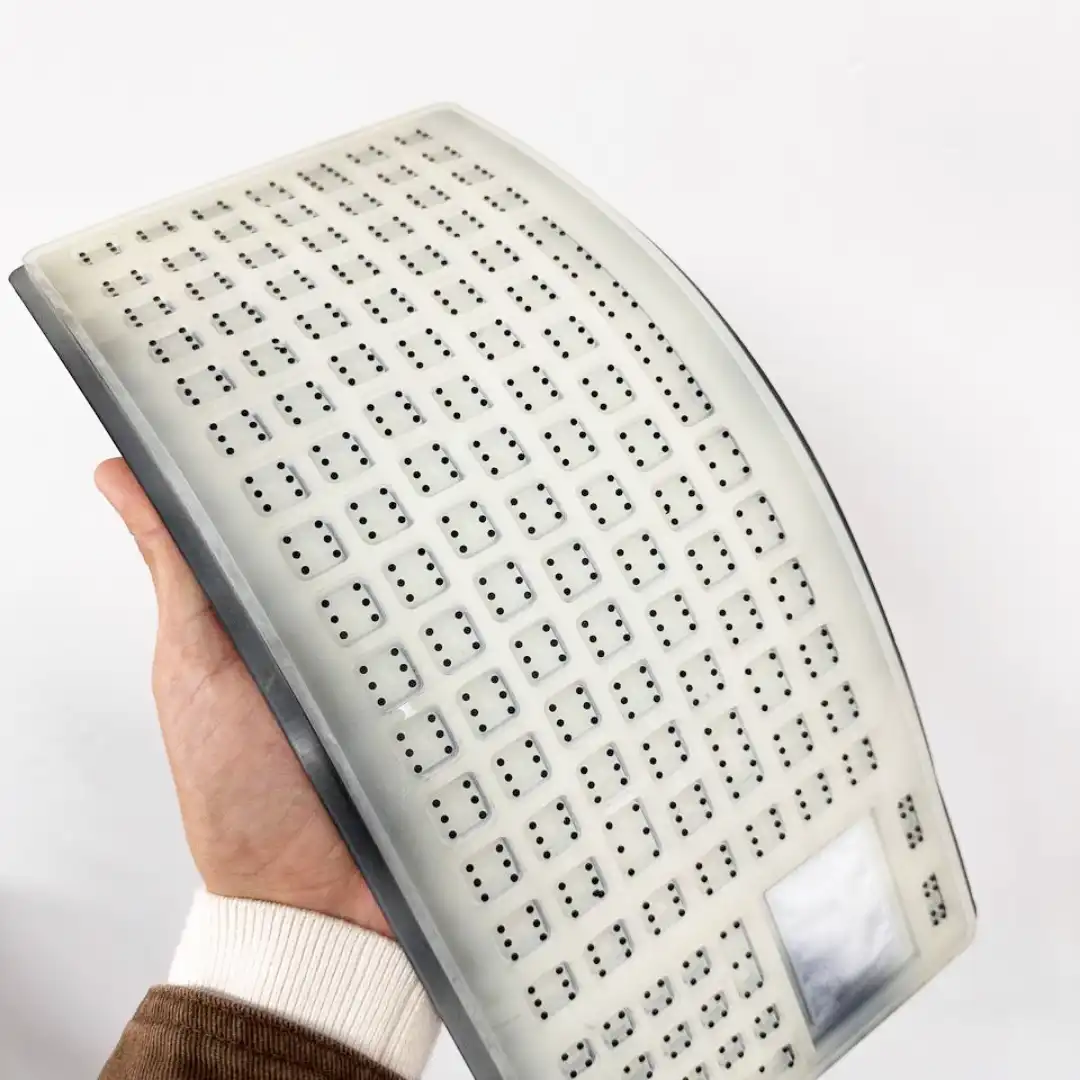
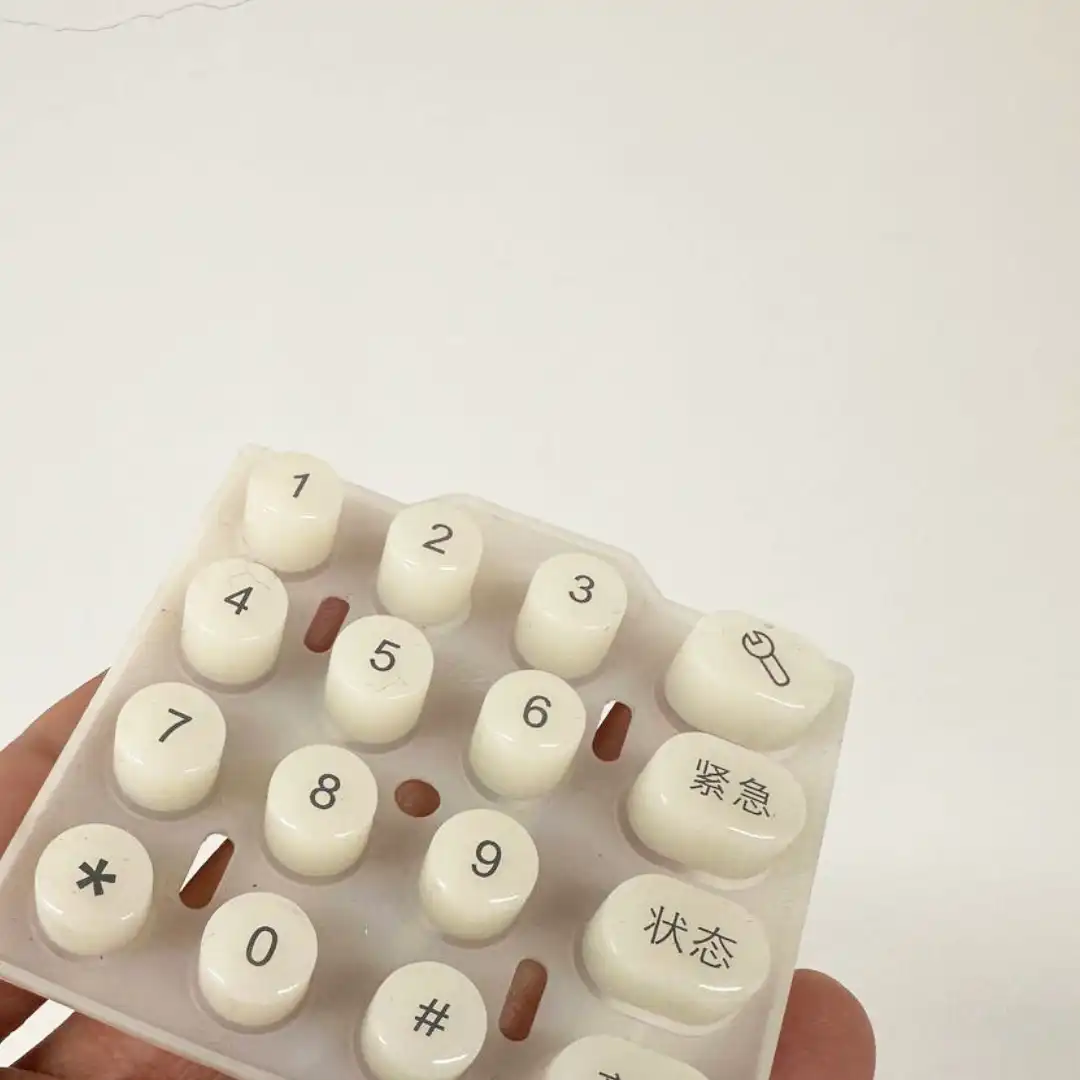
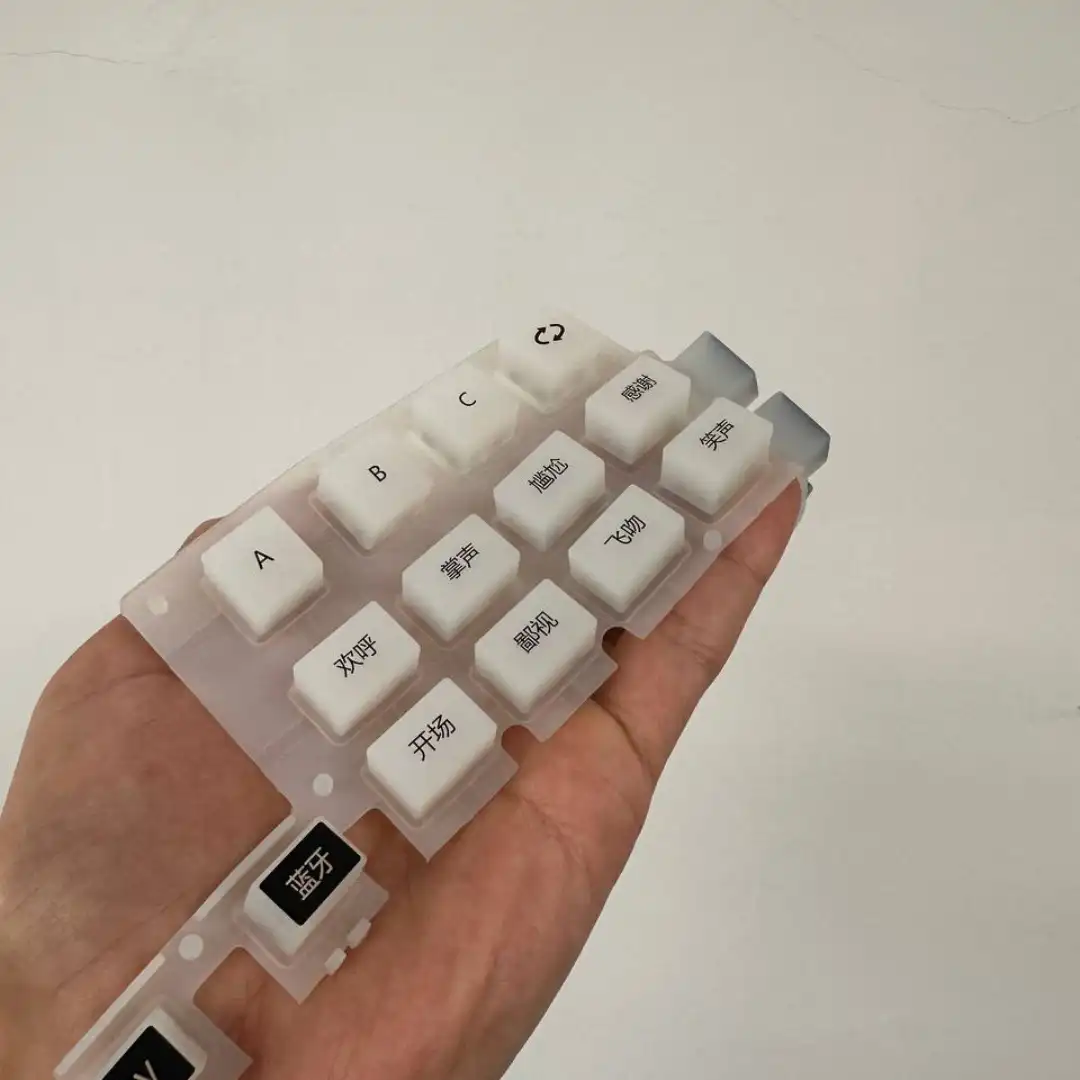
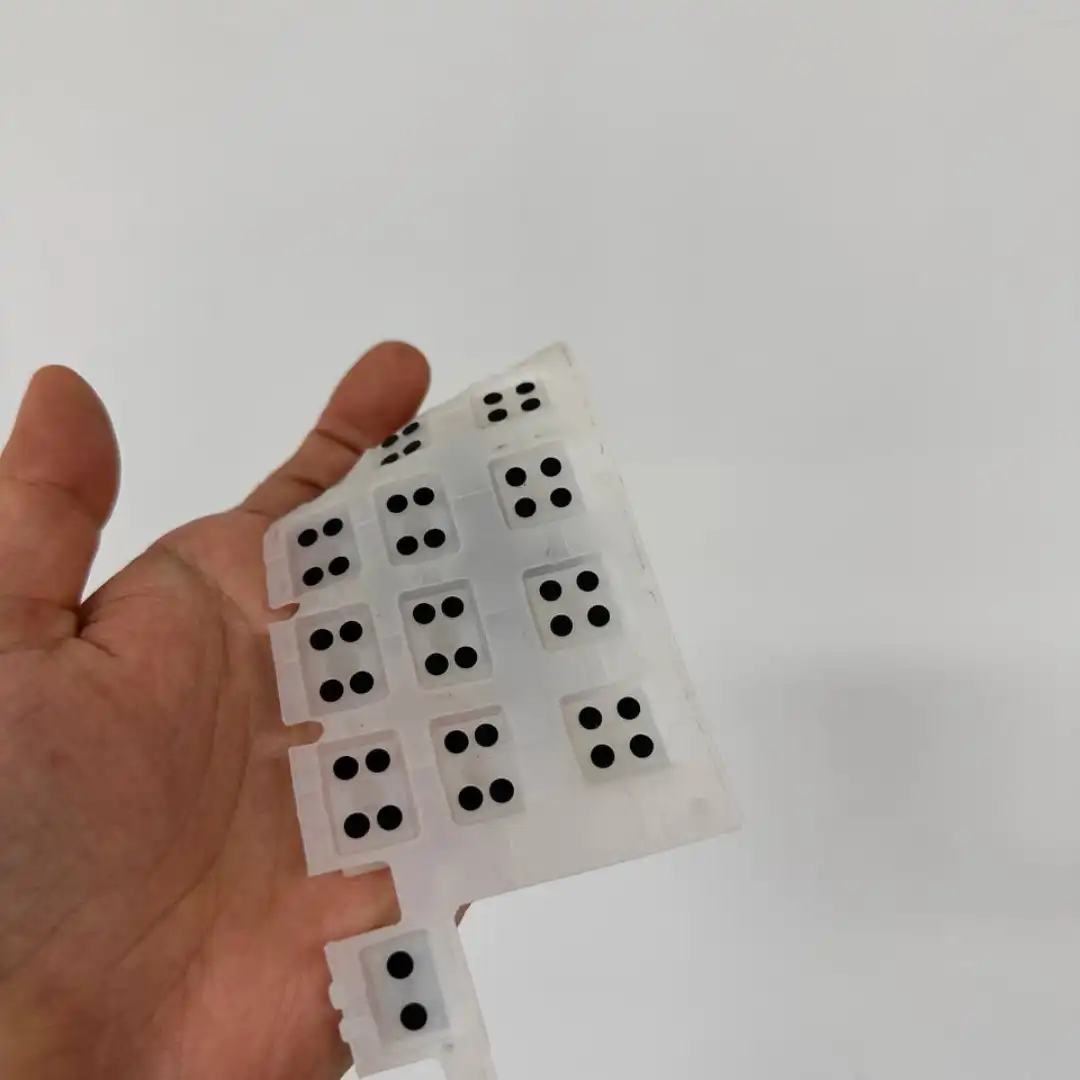
Custom-molded silicone keypad assemblies and machine control keyboards, including flat and curved geometries, multi-key layouts, perimeter sealing lips, and keypad-to-PCB contact solutions.
- One-piece keypad sheets for industrial HMIs
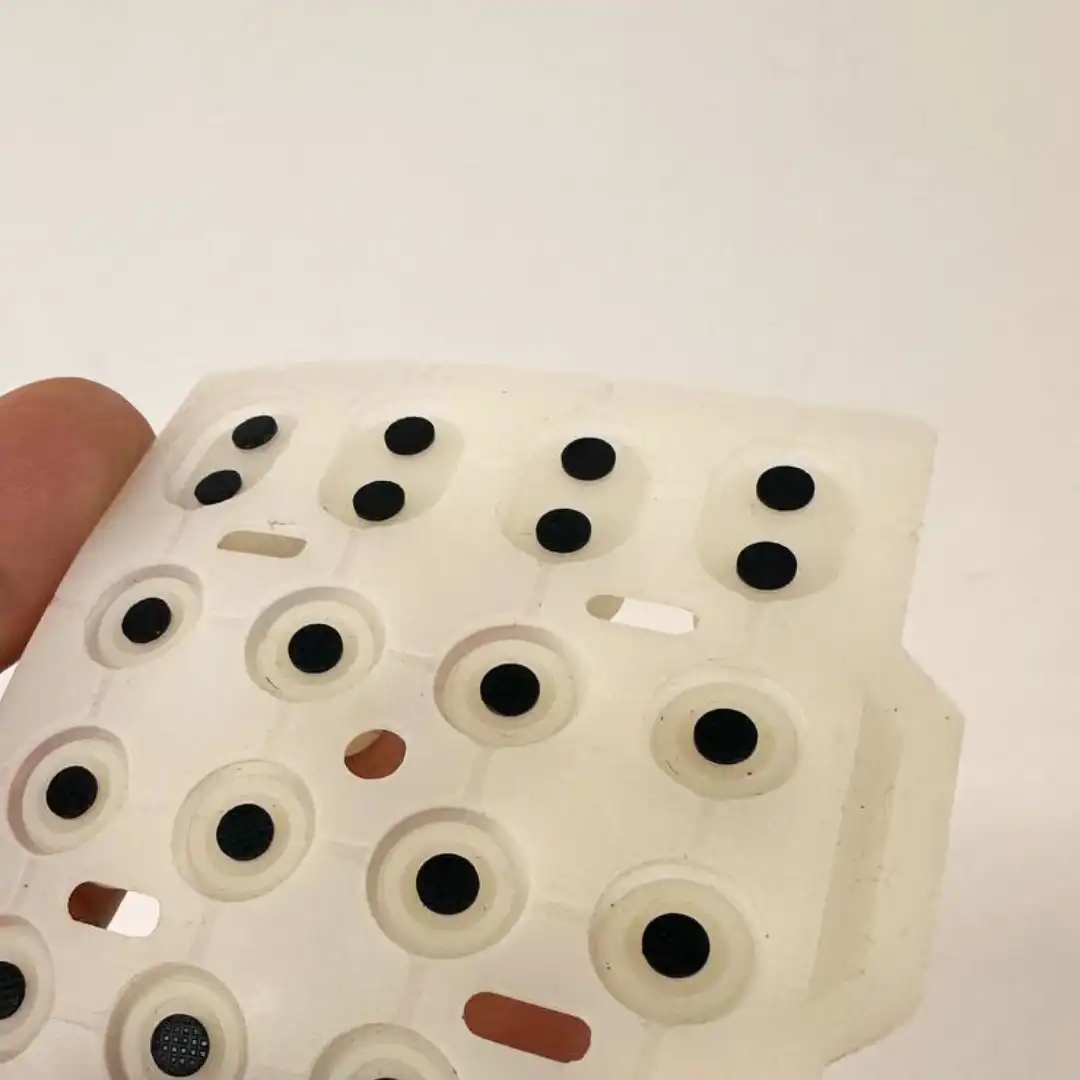
- Carbon-pill contact keypads (PCB contact pads)
- Metal-dome assisted keypads (crisper tactile “click”, project-dependent)
- Backlight-ready keypads (translucent silicone + laser-etched legends, project-dependent)
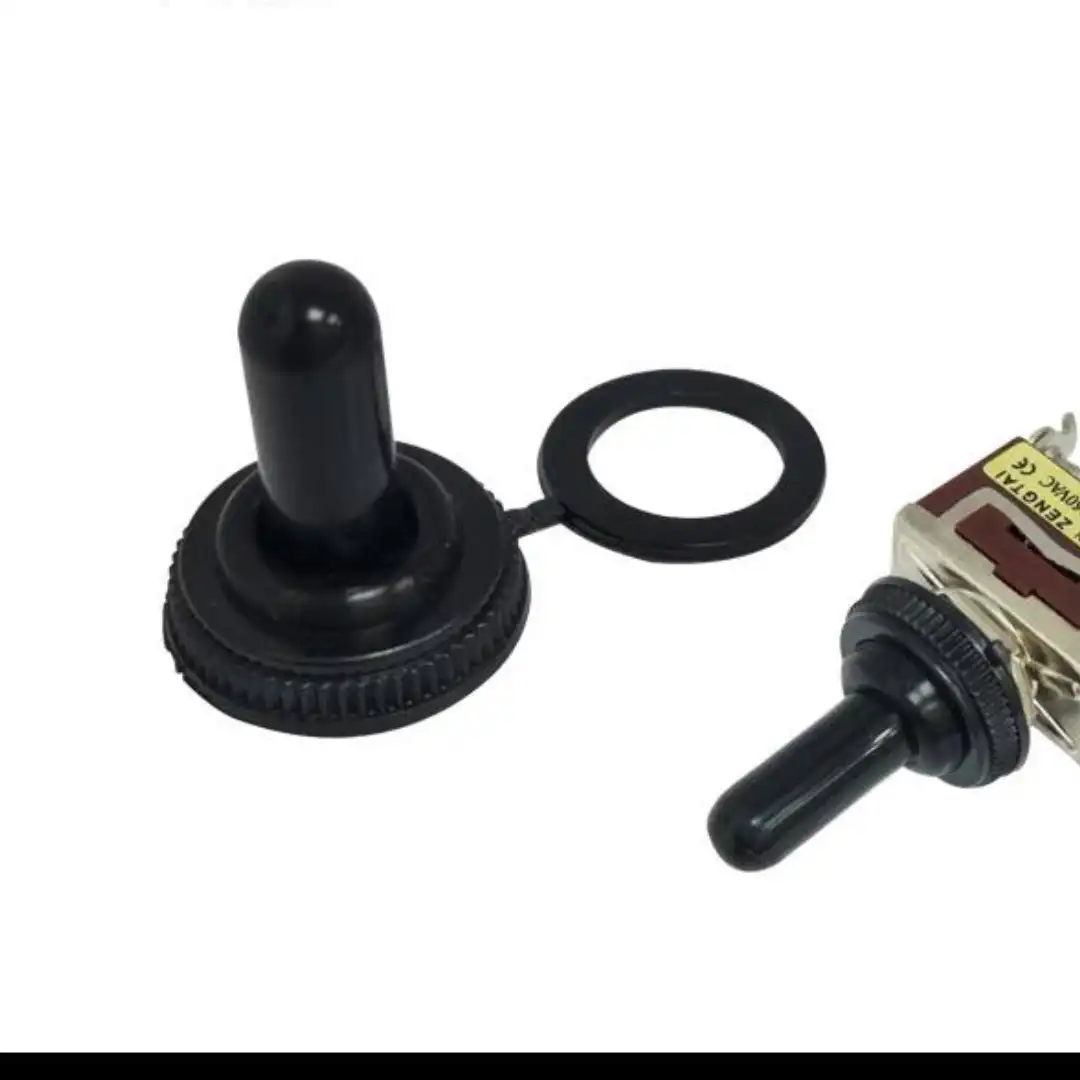
- Switch boots for discrete switches when individual hardware controls are required
Industrial machine HMIs
Industrial HMIs need inputs that remain reliable with oil mist, coolant splashes, dust, vibration, and frequent cleaning. Silicone keypads are often selected when operators must feel a confirmed keypress (including with gloves) and when sealing and durability matter more than UI flexibility.
Typical industrial applications
- CNC machines, automation equipment, and operator panels
- Packaging, filling, and processing machines
- Industrial controllers, test equipment, and rugged instruments
- Outdoor equipment and wash-down environments
- Function-critical control panels where tactile confirmation reduces errors
Why silicone keypads for industrial controls
- Sealed interface: fewer ingress paths compared with arrays of discrete switches
- Glove-friendly operation: tactile travel + snap provides clear confirmation
- Long cycle life: dome geometry and materials selected for repetitive use
- Environmental resistance: oil/coolant exposure, cleaning, outdoor weathering (compound dependent)
- Serviceability: keypad replacement is typically simpler than replacing complete touch HMI assemblies
Key performance targets we define with you
- Actuation force: tuned for your use-case (avoid accidental presses vs operator comfort)
- Travel & snap feel: dome/web geometry designed for consistent tactile response
- Contact method: carbon pill to PCB pads, or dome-based solutions (project-dependent)
- Sealing design: perimeter lip, compression zones, and housing interface
- Legend durability: printing/etching and coating approach matched to cleaning and wear
Manufacturing methods (keypad-specific)
Keypads are tactile parts. The manufacturing method is selected to match dome geometry, sealing features, volume, and consistency requirements. We typically build prototypes to confirm key feel and contact reliability before locking production tooling.
Common for industrial keypads: compression molding
Compression molding is widely used for silicone keypads because it supports robust dome structures, durable perimeter sealing features, and stable tactile performance in industrial environments.
- Suitable for thicker domes, reinforced webs, and long-life tactile structures
- Supports large keypad sheets and integrated sealing lips
- Works well with carbon-pill contact designs (project-dependent)
- Efficient for many industrial volumes and keypad geometries
LSR injection molding
LSR injection molding is considered when designs require higher repeatability, thinner walls, or more complex features.
- Useful for thin features, tight repeatability requirements, and intricate geometry
- Helps maintain consistent feel across large production runs (design dependent)
- Often selected for programs where process stability is a top priority
Secondary operations that make the keypad production-ready
- Contact integration: carbon pill bonding/insertion or dome integration (project-dependent)
- Legend & marking: screen printing, laser etching, or molded symbols
- Surface enhancement: abrasion/chemical-resistant coatings where needed
- Mounting integration: adhesive backing, frames, or mechanical retainers (as required by enclosure design)
- Functional checks: tactile consistency, contact reliability, and fit to housing/PCB
Materials & compound selection
Material selection is not just “silicone vs rubber.” For keypads, the compound affects actuation force stability, tear resistance at thin webs, sealing performance, temperature behavior, and compatibility with legends/coatings and contact systems.
Silicone options for keypads
- Hardness (Shore A): impacts dome stiffness, actuation force, and “feel”
- Tear strength: important for thin webs and high-cycle keypads
- Colorability: stable pigmentation and multi-color key grouping
- Translucent silicone: for backlit keys and illuminated legends (project-dependent)
- Temperature behavior: compound selection based on operating range and aging
Reference: 17 silicone types, applications & features
Rubber compounds for special environments
Some environments push beyond standard silicone requirements-especially where oils/fuels, aggressive chemicals, or steam/hot water exposure dominate. In those cases, compound selection is driven by the actual exposure and cleaning regime.
- Oil / fuel exposure: compound selection to match oils, greases, and process fluids
- Chemical cleaning: resistance to cleaners/disinfectants used in the field
- Steam / hot water vapor: only when specifically required and validated for the application
- Outdoor aging: UV/ozone stability where equipment is exposed
Reference: Rubber material selection guide
For keypad projects, we confirm: operating temperature range, fluid exposure (oil/coolant/cleaners), required tactile force, expected cycle life, and sealing design-then select a compound and structure that stays stable over time.
Sealed keypads & environmental protection
Sealed keypads are often the best solution when electronics must be protected from dust, fluid splashes, and cleaning. A one-piece keypad surface also reduces the number of potential leak paths compared to multiple discrete switches.
How sealing is designed
- Perimeter sealing lip: molded sealing geometry designed to compress against the housing/bezel
- Compression control: sealing zones designed to avoid over-compression that changes key feel
- Housing interface: panel flatness, clamp points, and compression distribution considered early
- Drain/cleaning logic: surface geometry designed for easier cleaning and reduced contamination traps
Sealed keypad vs touchscreen vs discrete switches (practical selection)
- Vs touchscreen: tactile confirmation, glove operation, and robustness in wet/dirty environments
- Vs discrete switches: fewer cut-outs and leak paths; simpler front-surface cleaning
- When discrete switches still win: when a specific mechanical switch type is required for the function-use switch boots to add sealing
Switch boots
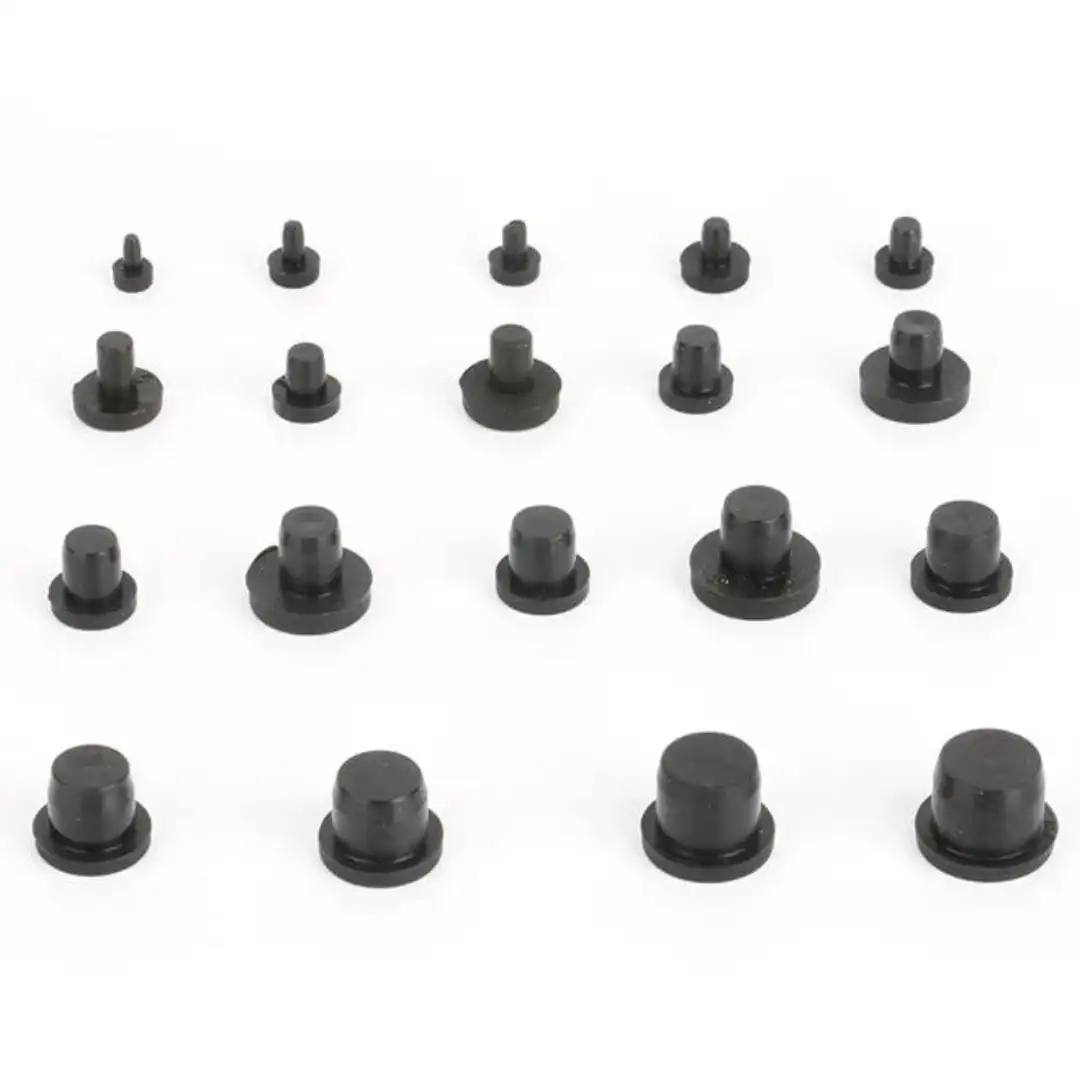
Switch boots are used when your design needs individual hardware switches (toggle, push-button, key switch), but the panel still needs protection from dust and liquids. A molded silicone boot covers the actuator and seals to the panel surface.
Common use cases
- Outdoor control boxes and exposed toggle switches
- Industrial panels where discrete switches are required by design
- Retrofit sealing for existing switch hardware
- Controls exposed to spray, dust, or frequent cleaning
Colors, legends, and surface finishing
Industrial HMIs often require clear identification, long-term legibility, and stable color appearance. We support Pantone matching, multi-color key grouping, and durable legend methods based on wear and cleaning requirements.
Color options (Pantone matching)
- Pantone matching: specify a Pantone reference for the keypad body and key groups
- Multi-color key grouping: separate functions by color (e.g., start/stop, mode, numeric)
- Translucent zones: for backlit keys where illumination is required (project-dependent)
Legend methods (choose based on wear and cleaning)
- Screen printing: common for high-contrast legends and icons
- Laser etching: often used for durable legends, especially with coated surfaces
- Molded symbols: geometry-based legends where design allows (raised/recessed)
Surface finishing
- Texture control: matte/tactile finishes that reduce glare and improve grip
- Coatings: abrasion resistance and chemical cleaning resistance where needed
- Targeted reinforcement: higher-wear keys can be treated differently from low-wear keys
Prototypes & validation
Keypads must feel right and work reliably with the contact system. Prototyping reduces risk by validating tactile response, contact reliability, sealing fit, and legend readability before production tooling is finalized.
What we validate in prototypes
- Actuation force and travel: confirm the intended feel and prevent accidental actuation
- Tactile consistency: even response across the keypad (no “dead” or overly stiff keys)
- Contact reliability: carbon pill / dome interface performance with your PCB/contact layout
- Sealing interface: perimeter lip compression and fit to your housing/bezel
- Legends: readability, wear resistance, and chemical cleaning compatibility
Typical prototype outcomes
- Dome/web geometry refinement to tune snap feel
- Hardness/compound adjustment to stabilize force over lifecycle
- Legend method and coating selection based on real handling/cleaning
- Finalized production-ready specification before mass tooling
How it works
- Send requirements: layout/drawing, key feel targets, environment (dust/oil/coolant/cleaners), and any sealing/IP targets
- Design review: confirm contact method, dome geometry approach, sealing interface, legend method, and compound direction
- Tooling & samples: we machine tooling in-house and produce prototypes as required
- Validation: confirm feel, contact reliability, sealing fit, and legend durability
- Production: stable process control with inspection and consistency checks per your requirements
Limited consumer electronics
We support selected consumer and handheld projects when physical buttons are required for durability, custom geometry, or environmental resistance. Most modern consumer devices move toward touch interfaces, so our consumer keypad work is typically project-specific rather than mass consumer programs.
Discuss your keypad design
Send your drawing/layout, enclosure details, and operating environment. We’ll review material options, sealing approach, manufacturing method, and finishing/legend strategy, then provide a clear production plan.